

The Isle of Mull, like much of the UK’s wild countryside, is home to a rich variety of wildlife, including the adder (Vipera berus). These fascinating reptiles are Britain’s only native venomous snake. While encounters are rare and bites even rarer—especially if you know how to behave—understanding these shy creatures is important for both your safety and theirs. This guide provides essential information on identifying adders, avoiding encounters, and what to do in the unlikely event of a bite, so you can enjoy Mull’s natural beauty responsibly and with peace of mind.
1. Adder Identification & Habitat
Knowing what an adder looks like and where it typically lives will help you appreciate them safely from a distance.
- What Do Adders Look Like?
- Size: Adders are relatively small, usually 60–70 cm (24–28 inches) long, though some may be larger.
- Distinctive Markings:
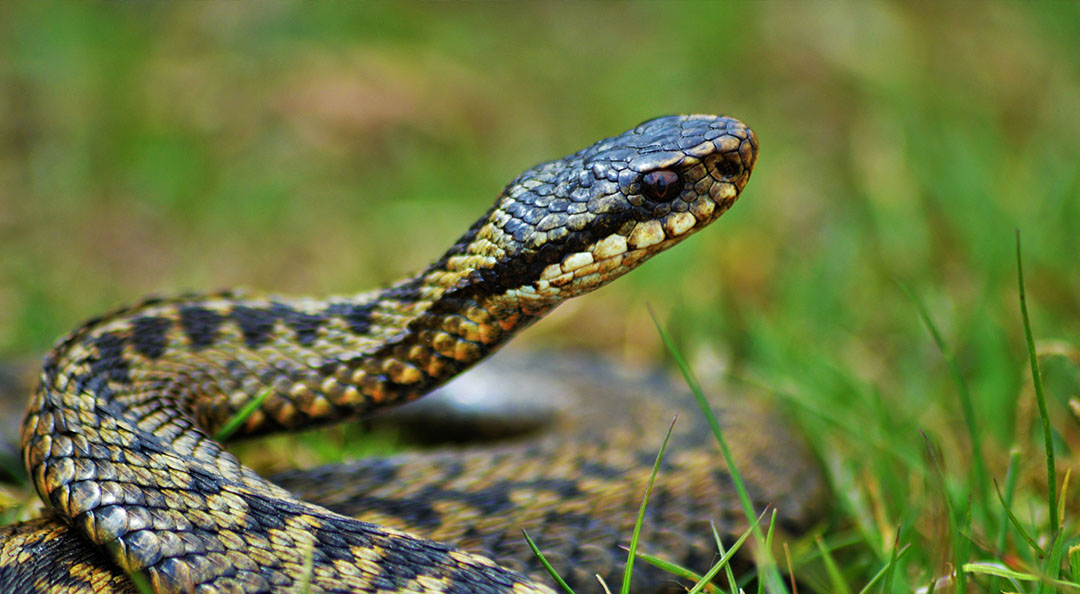
- Zig-zag Pattern: A dark, distinct zig-zag stripe runs along the back.
- Head Markings: A dark ‘V’ or ‘X’ shaped marking appears on the relatively flat head.
- Eyes: Vertical, slit-like pupils distinguish adders from non-venomous snakes like grass snakes.
- Colour Variations:
- Males: Typically grey with dark black markings.
- Females: Usually light brown or reddish-brown with darker brown markings.
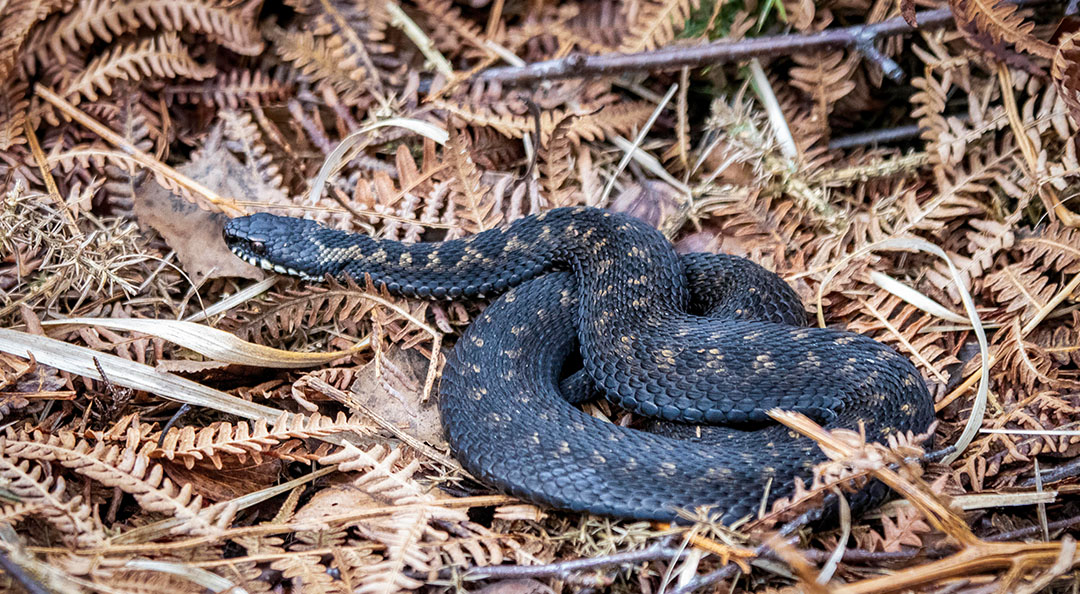
- Occasionally, melanistic (entirely black) adders are found, making the zig-zag pattern harder to see.
- Distinguishing from Other Reptiles:
- Grass Snake: Larger, greener or greyer, yellow-and-black collar, round pupils.
- Smooth Snake: Rare, smaller, slender, less distinct pattern, round pupils.
- Slow Worm: Legless lizard, smooth and shiny, no zig-zag, has eyelids.
- Where Are They Found?
- Preferred Habitats: Adders favour open areas with sun and cover:
- Heathland and moorland (common on Mull)
- Woodland edges and clearings
- Grassy banks and rough grassland
- Coastal dunes
- Basking Spots: Often seen on rocks, logs, or warm patches of ground.
- Preferred Habitats: Adders favour open areas with sun and cover:
- When Are They Most Active?
- Emerging from hibernation in early spring (March/April), most active April–September, generally diurnal.
2. Avoiding Encounters & Respecting Their Space
Adders are shy and non-aggressive, usually avoiding humans. Bites typically occur only when the snake is startled, feels threatened, or is accidentally stepped on.
- Stay on Marked Paths: Stick to clear paths and avoid dense vegetation, long grass, or bracken where adders might hide.
- Wear Sturdy Footwear: Walking boots protect against accidental encounters; avoid open sandals or barefoot walking.
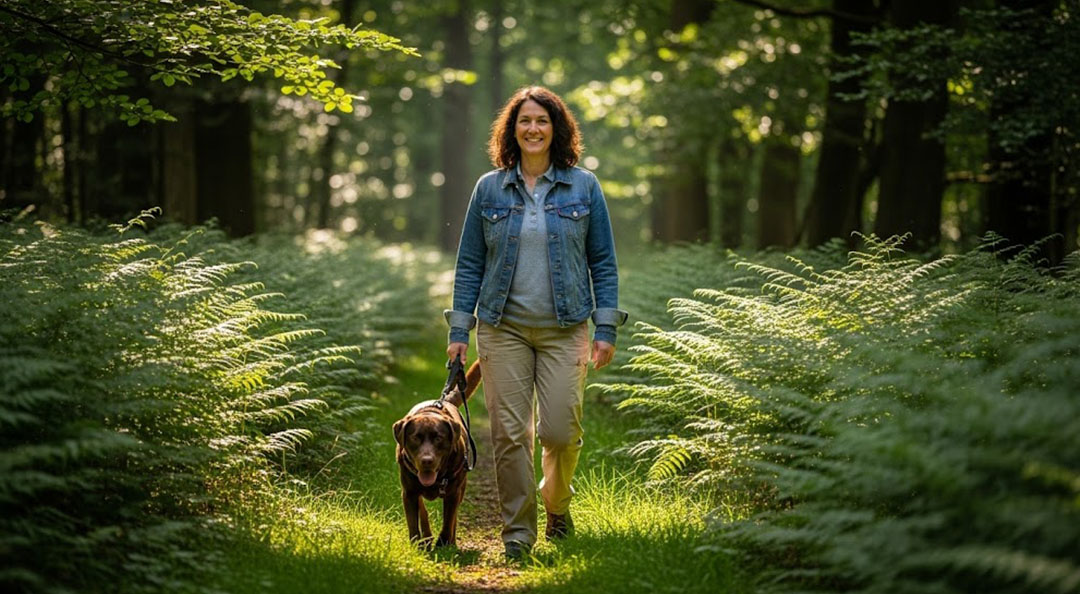
- Keep Dogs on a Lead: Dogs are vulnerable to bites, often on the face or paws. Keep dogs on a short lead in known adder areas.
- Make Some Noise: Adders sense vibrations; walking with purpose or making noise can encourage them to move away.
- Do Not Provoke or Approach: Maintain distance. Adders are protected under the Wildlife and Countryside Act 1981, making it illegal to intentionally harm them.
3. If You See an Adder
Consider yourself lucky! Seeing an adder in the wild is a rare and special experience.
- Remain Calm: Panicking may startle the snake further.
- Give it Space: Slowly back away and allow it to move undisturbed. Keep children and dogs away.
- Enjoy the Sighting: Maintain distance and appreciate this elusive creature safely.
4. What to Do if Bitten (for Humans)
Adder bites are rare and rarely fatal, but immediate medical attention is essential.
- Immediate Actions:
- Stay Calm: Panic can increase heart rate and spread venom more quickly.
- Immobilise the Limb: Keep the bitten limb still. Avoid walking; if possible, keep it below heart level.
- Remove Jewellery/Tight Clothing: Rings, watches, or tight clothing should be removed to allow for swelling.
- Call Emergency Services: Dial 999 (or 111 for non-life-threatening advice) and report a suspected adder bite. Follow their instructions.
- What NOT to Do:
- Do NOT suck out venom, cut the wound, or apply a tourniquet.
- Do NOT apply ice or heat.
- Do NOT walk or run unnecessarily.
- Do NOT try to catch or kill the snake.
5. What to Do if Your Dog is Bitten
Dogs are more likely to be bitten due to curiosity. Prompt veterinary care is essential.
- Immediate Actions:
- Stay Calm: Keep yourself and your dog calm.
- Carry Your Dog: Minimise movement to slow venom spread; do not let them walk.
- Keep Still & Calm: Keep your dog quiet and still.
- Clean the Wound (Gently): Rinse with water if visible; do not rub or try to remove venom.
- Contact Your Vet Immediately: Inform them of a suspected adder bite and follow instructions.
- Common Symptoms in Dogs:
- Sudden yelp or pain
- Rapid swelling near bite (face, head, limbs)
- Lameness or reluctance to move
- Lethargy, weakness, shaking
- Drooling, vomiting, or diarrhoea
- Severe cases: collapse or breathing difficulties
Adders are a valuable part of the UK’s natural heritage. By understanding their behaviour and knowing how to react in the unlikely event of an encounter or bite, you can enjoy the wild beauty of places like the Isle of Mull safely and respectfully. Awareness is your best defence!