

You might think you know the Isle of Mull but there are corners of it that keep their secrets well. Pennygown Chapel sits quietly on the road between Salen and Craignure, which means most people drive right past it without a second glance. They see a ruin and a graveyard and just keep going, but if you stop you will find one of the most interesting historical sites on the island. Here the old world of the clans and the even older world of the fairies seem to meet in a place that feels lost in time.
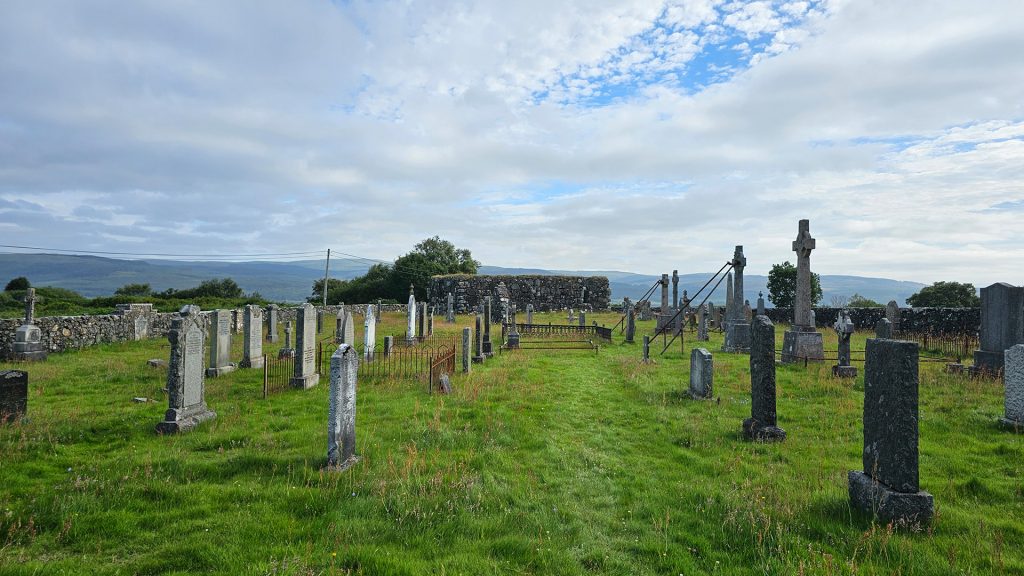
This building is much more than just a pile of old stones because it dates back to the late twelfth or early thirteenth century. That places its construction somewhere in the broad period of 1100–1300. Kings of Scotland fought for control of the western seaboard then while the Lord of the Isles ruled the seas. Local people built this chapel, which has survived centuries of storms and history.
A Relic of the Old Faith
This chapel forms part of a group of historic ecclesiastical buildings on Mull and shares a cultural connection with the chapel on Inch Kenneth and the old parish church at Kilvickeon. These sites were spiritual centres of the island long before the Reformation changed Scotland’s religious landscape. When masons built this chapel, the people here followed the Catholic faith, and the church would have been central to their lives.
The chapel has an old graveyard that has served the local community over generations. Its location also mattered because it stands on the seaward side of the road. In those days, people often travelled by sea as roads were limited, so being close to the water made the chapel more accessible to some visitors arriving by boat across the Sound of Mull.
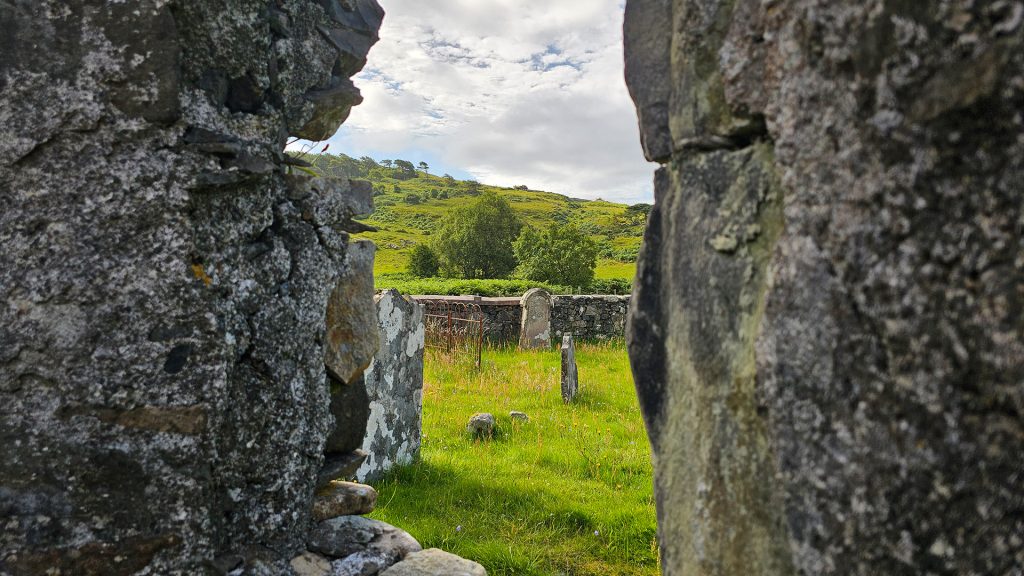
The original builders used local stone bound with lime mortar to make the walls to last. You can still see this high-quality craftsmanship today, as the shell of the building remains in a good state of preservation, testifying to the skill of the masons centuries ago.
Open to the Elements
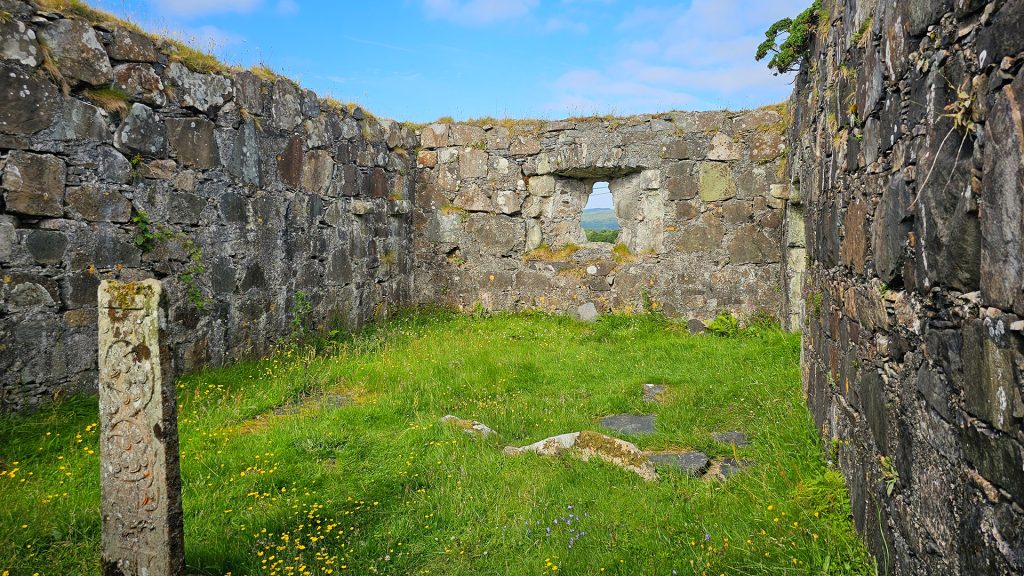
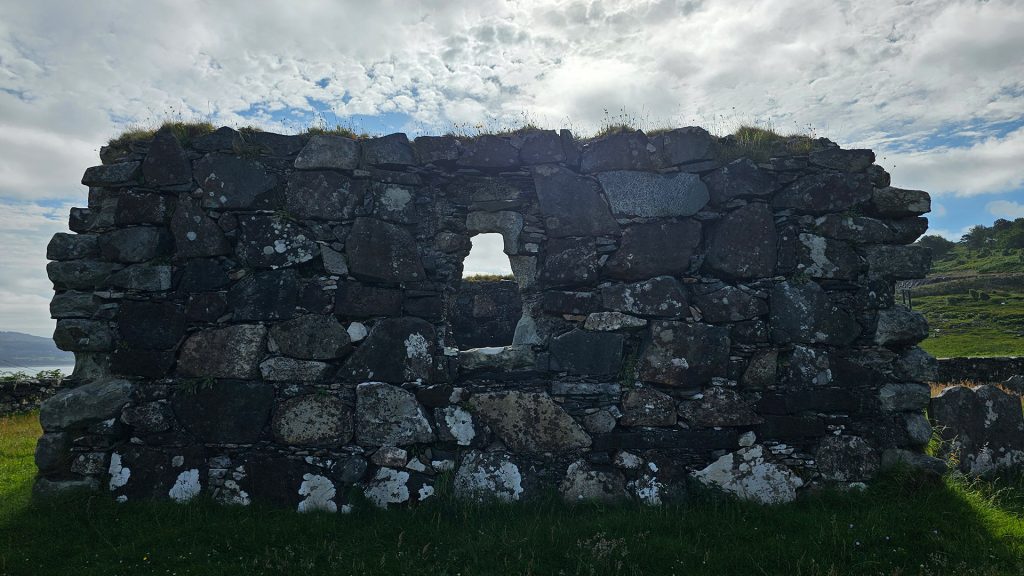
While the walls remain strong, the chapel is a roofless ruin. The interior lies open to the sky, with the gable ends framing the clouds. This lack of a roof means the interior is exposed to the wind and rain, creating a stark, atmospheric setting within the ancient stone boundary.
The Fairies and the Ship Mast
Stories of the fairy folk also make Pennygown famous. Folklore says that friendly fairies lived here and would perform small magical tasks for people who left requests.
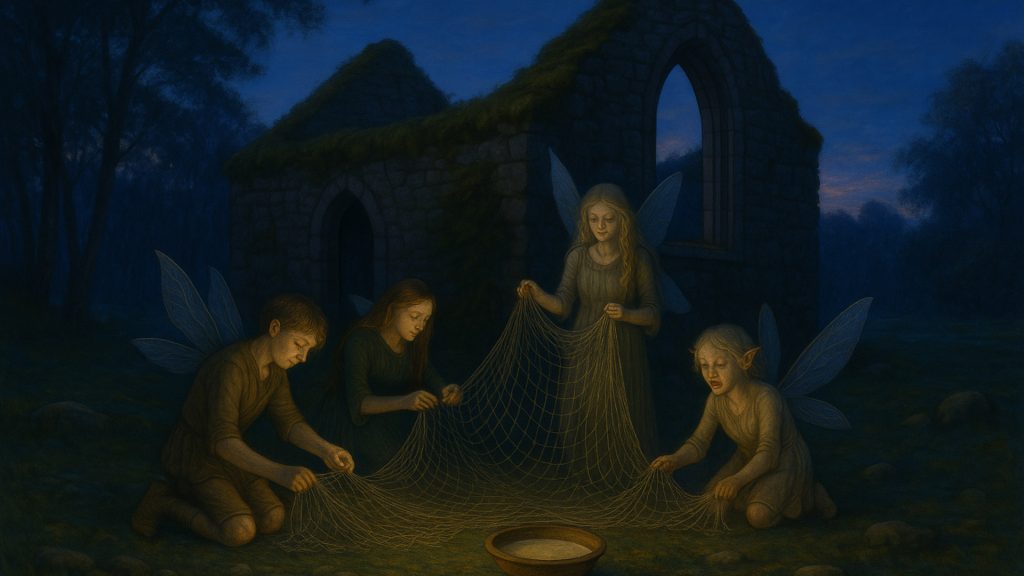
One tale tells of a person who left a small piece of wood at the chapel, asking them to transform it into a ship’s mast. This caused the fairies to move out and never return. These stories are part of the rich oral tradition surrounding the site.
Guardians in the Stone
The chapel measures almost 40ft in length and 17ft in width, built using local stone and lime mortar. The walls feature three narrow windows which are decorated with carved heads. In addition to these carvings, the layout includes a single door located on the north-west side. Inside, you can still see an aumbry, a small cupboard recess in the east wall, and stone corbels that likely once supported a wooden gallery.
The Pennygown Cross
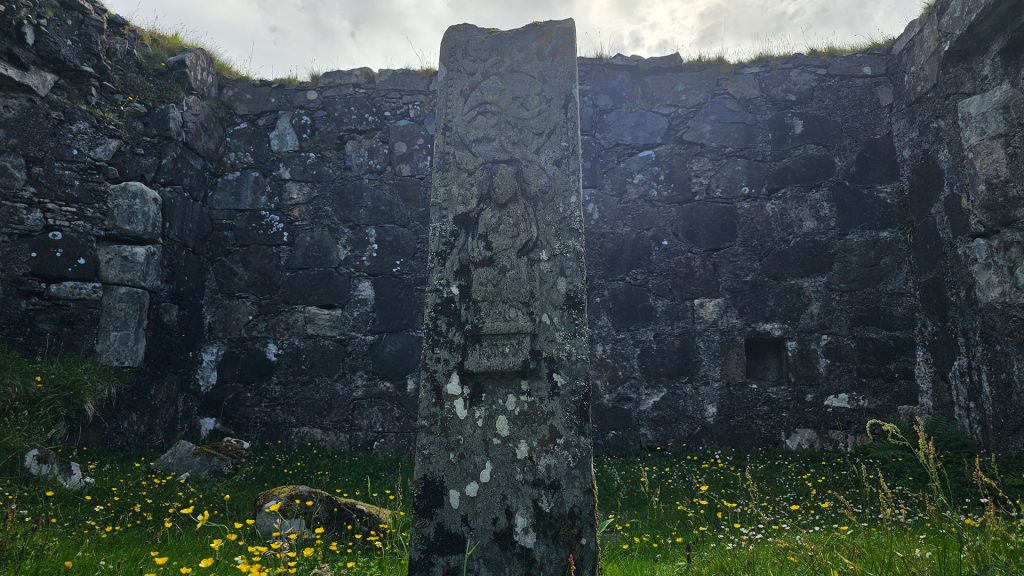
Inside the ruin stands a Celtic cross shaft dating to the period between 1500 and 1560. The lower part of the shaft features the usual island ship, showing a raised stem and stern, a tall mast and a long cross-yard. Above the ship sit foliated designs with leaves like clover, and a griffin is also carved into the stone. On the other side, a Virgin and Child carving shows the community’s devotion.
The Giant Knight
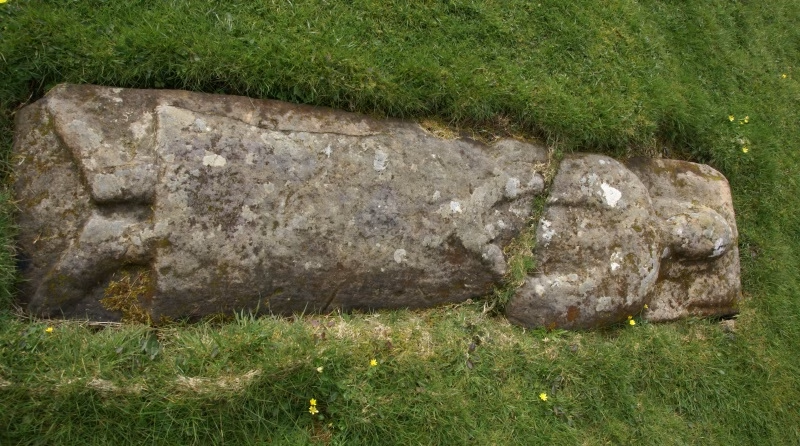
Two impressive grave slabs dating to the 16th century lie just outside the chapel walls. The knight is Allan son of Hector, a man of gigantic frame and powerful strength. The carving shows him with his head on a pillow and his right hand on the pommel of his sheathed sword, whilst his left hand holds a dirk along his left thigh.
The Words of a Warrior
To this warrior is ascribed the saying: ‘If my brother were with me I would face the devil himself’. This attribution underscores the sheer force and confidence associated with the figure buried beneath the stone.
The Lady Beside Him
A lady lies next to the knight. She wears a simple gown and a simple headdress without ornament. She holds her hands crossed, showing contrast to the knight and illustrating the style of the period.
A Place of Memories
People still use the graveyard at Pennygown today. This ongoing use reflects the site’s enduring significance to local families. Among the older stones, you can find a distinctive gable monument from 1763 featuring family coats of arms. The site retains its atmosphere of history, with long grass, wind, salt spray, and lichen-covered stones making it feel deeply connected to the landscape.
Why You Should Look for It
Pennygown Chapel reminds us that some of the best history hides in plain sight. It has no gift shop or ticket booth, only the ruins and stories waiting for those curious enough to explore. Walking through the gate, you can touch the cold stone walls, see the ship on the cross, and imagine centuries of human and legendary activity on this beautiful corner of Mull.