

The Western Isles Hotel Begins Life
The Western Isles Hotel stands high above Tobermory Bay and looks out over the harbour and the Sound of Mull. Builders began its story in the late Victorian period, when wealthy mainland visitors started travelling to the Scottish islands in greater numbers. Workers constructed the hotel between 1882 and 1883 on land overlooking the growing town of Tobermory. From the beginning, the designers aimed to impress. Builders used red sandstone from the Isle of Arran and strong local stone for the foundations. The hotel’s size, height and position made it one of the most striking buildings in the town.
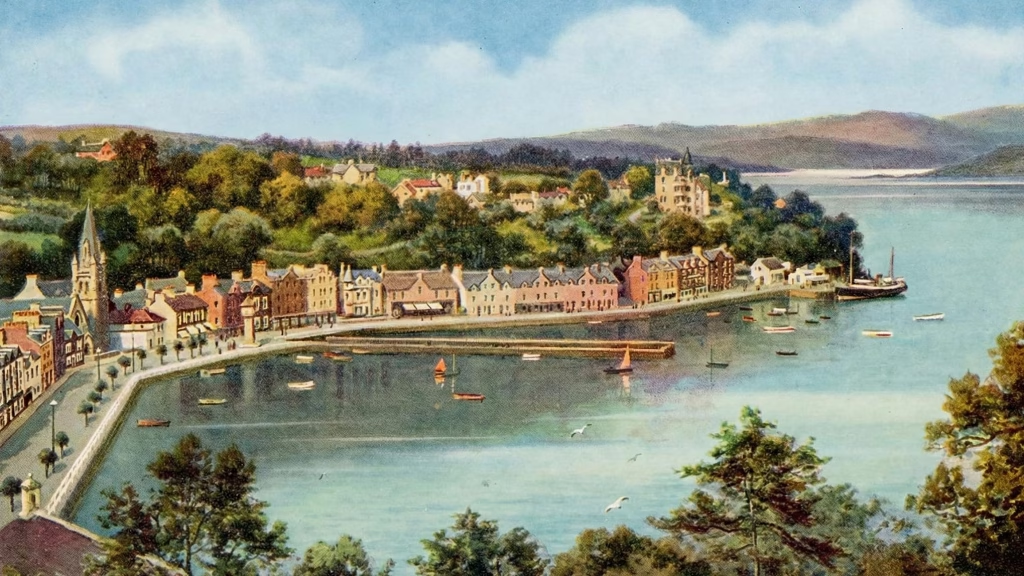
Theophilus Caldwell Sandeman, a young entrepreneur from a well known family, drove the project forward. He planned a grand hotel to serve the rising number of tourists arriving by steamer. Tobermory already functioned as an important harbour, and steamship travel opened the Inner Hebrides to a new type of visitor. The Western Isles Hotel met that demand by offering comfort, fine views and a sense of grandeur far from city life.
Early Years and Victorian Tourism
In its early years, the hotel welcomed mainly affluent guests who toured the Highlands and Islands during the summer season. Steamers often stopped at Tobermory, and visitors came for the scenery, fresh air and romantic image of island life. The Western Isles Hotel quickly became part of that experience by offering large public rooms, spacious bedrooms and sweeping views across the bay.
From the late 1880s, David MacBrayne Ltd operated the hotel. The company’s close links to west coast steamer services helped maintain a steady flow of guests arriving by boat. For a time, the hotel thrived as part of a wider tourism network that connected travel, transport and accommodation across the islands.
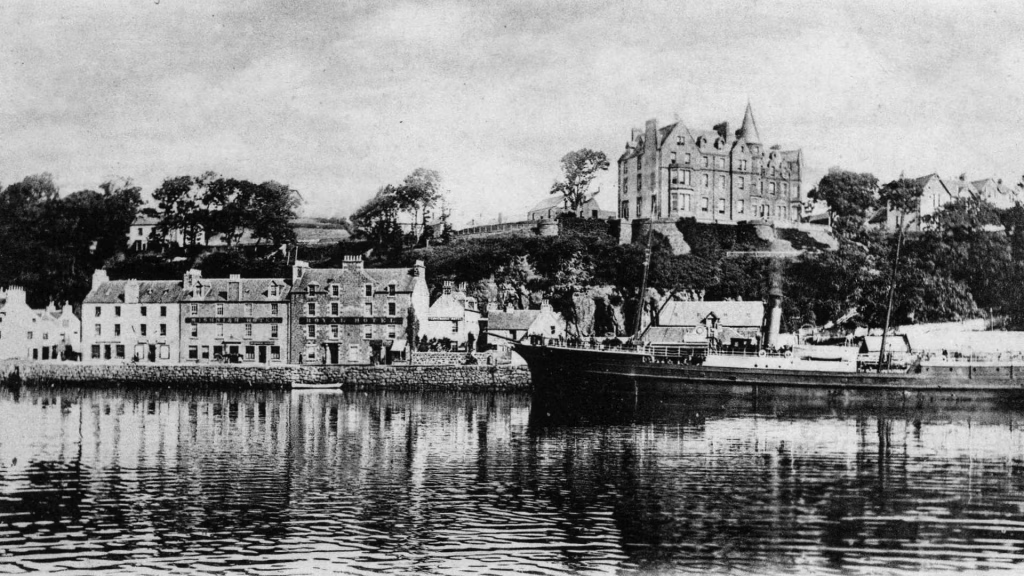
This success did not last. Changing travel habits and economic pressures reduced tourism in remote areas. In 1901, the Western Isles Hotel closed its doors. The building, once a symbol of confidence and growth, fell silent and stood empty above the town.
Years of Silence and Decline
For more than thirty years, the hotel remained closed. During this long period, Tobermory continued to change, and the empty building became a familiar but unused presence. Weather and time took their toll, and the grand hotel slowly drifted away from its original purpose.
These years reflected a wider pattern across the Highlands and Islands. Many grand Victorian buildings, raised during optimistic times, struggled to survive when tourism declined. The Western Isles Hotel followed this pattern. Its position above the harbour still impressed, but its future remained uncertain.
Reopening and a New Chapter
In 1933, owners reopened the Western Isles Hotel. Tourism to the west coast began to recover, helped by improved roads and renewed interest in holidays within Britain. The reopening brought the building back to life and restored its role in Tobermory’s hospitality scene.
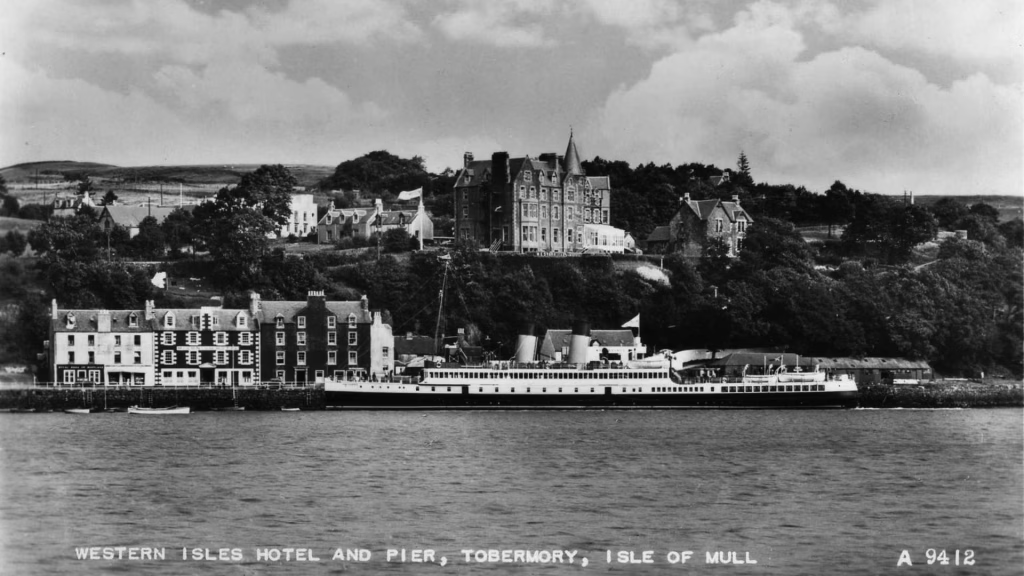
This revival proved short lived. Within a few years, war spread across Europe, and the Scottish islands gained new strategic importance. Tobermory became a major naval training base, and the Western Isles Hotel entered one of the most important periods of its history.
The Hotel at War
During the Second World War, the Royal Navy chose Tobermory as the main base for anti submarine training. The navy named the base HMS Western Isles and placed it under the command of Vice Admiral Sir Gilbert Stephenson, a strict leader feared by trainees and known locally as the Terror of Tobermory.
Military authorities took over the Western Isles Hotel and integrated it into the training operation. The hotel housed senior officers and served a role similar to an officers’ mess. Thousands of sailors passed through Tobermory during the war years, training in the challenging waters of the Sound of Mull before heading out to protect Atlantic convoys.
Around 200,000 officers and seamen trained in the area during the war. The hotel, overlooking the harbour, witnessed this intense activity firsthand. Today, people remember this chapter as one of the building’s most important contributions, directly linking it to the wider war effort.
After the War and Cultural Fame
When the war ended, the hotel returned to civilian life. Tourism slowly resumed, and the Western Isles Hotel welcomed guests once again, this time seeking rest rather than readiness for conflict. The building carried the memory of its wartime role while finding a new place in peacetime Scotland.
In the mid 1940s, filmmakers used Tobermory and surrounding areas as locations for the classic British film I Know Where I’m Going. Although much of the filming took place elsewhere on Mull, the presence of the Western Isles Hotel added to the atmosphere associated with the story. This connection strengthened the hotel’s place in the romantic image of the Hebrides.
During the post war years, locals began calling the hotel the Grand Old Lady of Tobermory. Its age, scale and commanding position gave it dignity, even as travel styles and accommodation preferences continued to change.
Later Twentieth Century Changes
The second half of the twentieth century brought several changes in ownership and management. Like many large historic hotels, the Western Isles Hotel faced ongoing challenges in maintenance and modernisation, particularly given its size and exposed coastal position. Ownership changed hands several times, and the hotel operated largely as a seasonal business during these years.
Between 1968 and 1976, the hotel was owned by Richard Forrester. It was during this period that one of the hotel’s most persistent pieces of local folklore became associated with the building. According to accounts later shared by staff and family members, a human skull was kept inside the hotel, having reportedly been recovered years earlier from the Sound of Mull by Royal Navy divers during a search for the supposed wreck of a Spanish Armada vessel. No archaeological evidence has ever confirmed the existence of such a wreck in the Sound, and the skull’s true origin was never formally identified.
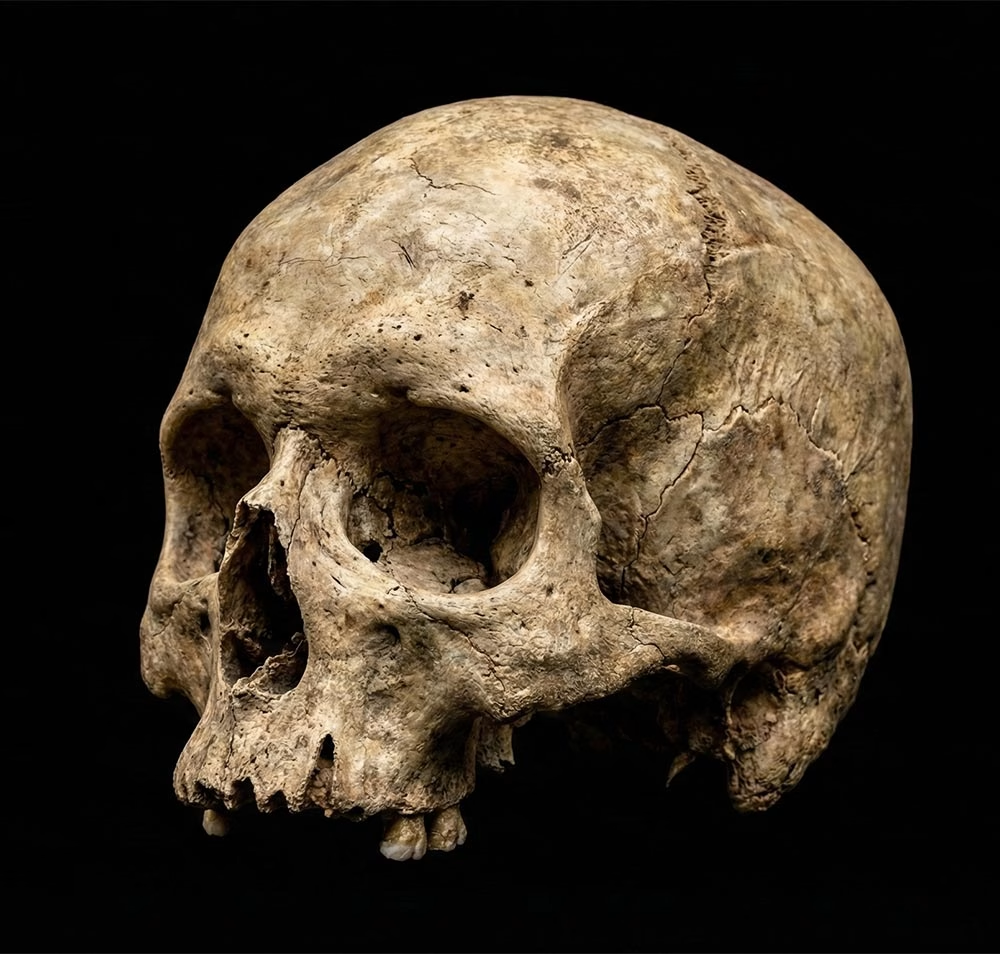
Stories from this period claimed that the skull was at one time displayed in the public bar and later stored away, and that a series of accidents and illnesses followed when it was handled or disturbed. These incidents, which included injuries and ill health among individuals connected with the hotel, were never documented in official records and remain anecdotal. Over time, they became woven into local storytelling rather than established history.
In the mid 1980s, a subsequent owner removed the skull and returned it to the sea, considering this a more respectful treatment of human remains. While the story has since become one of the best known legends linked to the Western Isles Hotel, it is understood locally as folklore rather than fact. Despite such stories, the hotel remained a central and familiar presence in Tobermory’s life throughout these decades of change.
Moving Into the Modern Era
By the early twenty first century, the hotel continued to trade while facing the challenge of balancing history with modern expectations. Large Victorian buildings demand constant care, and operating them in remote locations brings added difficulty.
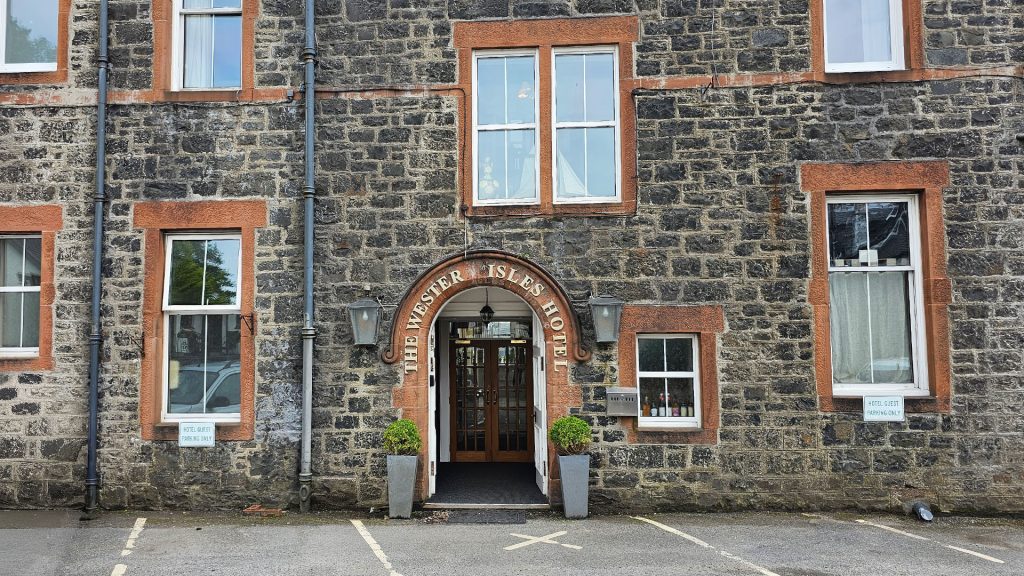
In 2018, experienced hotel operators purchased the freehold of the Western Isles Hotel, beginning a new phase of investment and renewal. Further changes followed in the early 2020s, when local ownership returned to the property. This shift mattered greatly, as people with strong ties to Mull once again guided the hotel’s future.
Owners carried out improvements while respecting the building’s past. One symbolic project reopened historic stone steps that once linked the hotel directly to Tobermory’s Main Street. This physical reconnection reflected a wider effort to strengthen the hotel’s relationship with the town.
The Western Isles Hotel Today
Today, the Western Isles Hotel remains one of Tobermory’s most recognisable landmarks. It now offers fewer rooms than in its earliest days, but these rooms meet modern standards while retaining the building’s heritage. Public spaces continue to showcase the hotel’s greatest strength, its sweeping views across the harbour and out to sea.
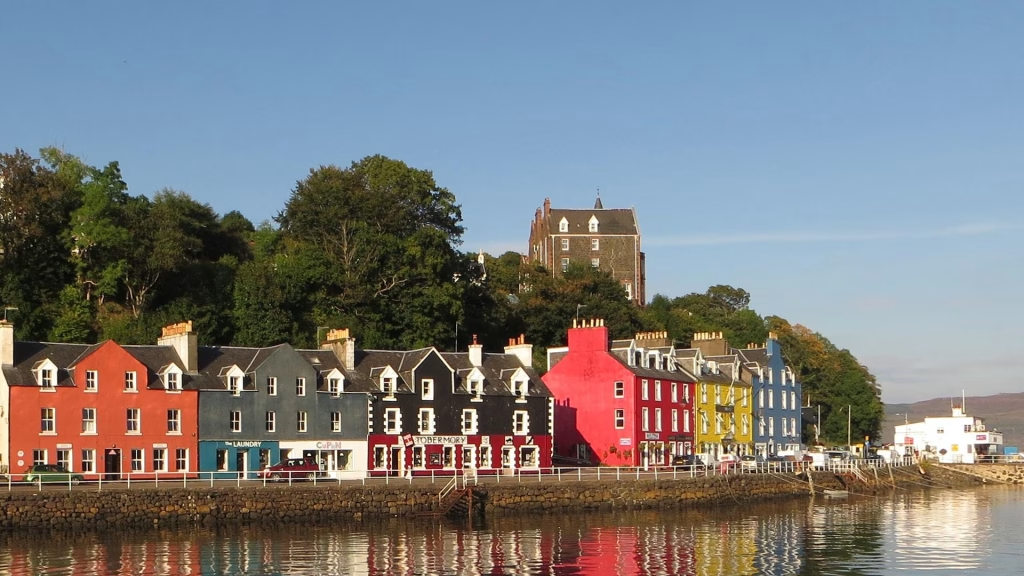
The hotel stands as a blend of past and present. Its walls have welcomed Victorian tourists, stood silent for decades, housed wartime officers, and embraced modern revival. Each phase has shaped the building as it exists today.
A Living Part of Mull’s Story
The history of the Western Isles Hotel reflects the wider story of Mull itself. It shows how travel, war, economic change and community life have shaped the island for more than a century. From bold Victorian ambition to wartime service and modern restoration, the hotel has continually adapted to survive.
Rather than standing frozen in time, the building remains alive with history. Guests who stay there do more than book a room; they step into a place shaped by generations of island life. The Western Isles Hotel continues to look out over Tobermory Bay, just as it has since the nineteenth century, and remains a lasting presence in the story of the Isle of Mull.