

Winter on the Isle of Mull offers a very different experience from the island’s busy summer season. The landscape grows quieter, the days shorten, and the weather often turns dramatic, but the wildlife stays active. Mull’s resident species do not disappear with the tourists. Instead, many become more visible because reduced foliage and the stillness of the island make them easier to observe. Winter can be one of the best times of year to watch certain animals, provided that visitors arrive prepared for rapidly changing conditions and know where to look, especially around well-known winter hotspots such as Loch na Keal, Loch Scridain, Fishnish, the Treshnish Coast and the glens leading into Glen More.

Mull retains a stable population of resident eagles, otters, seals and deer, all of which remain present in winter. The island’s long coastline and numerous sea lochs, particularly around Loch na Keal, Loch Scridain, Loch Don, Salen Bay, Fishnish, Calgary Bay and Tobermory Bay, create sheltered feeding areas for birds and marine mammals. Inland, upland regions such as Glen More, Ardmeanach, the Mishnish Lochs and Loch Torr continue to support golden eagles and other raptors even in harsh weather. Winter reduces the island’s diversity of migratory birds, but its signature species stay firmly in place. This combination of resident wildlife and quieter surroundings makes Mull a rewarding destination for winter nature watchers.
Resident Eagles Through the Winter Months
One of Mull’s defining features is the presence of both white-tailed eagles and golden eagles, and both species remain on the island throughout the year. These raptors maintain territories from the coastal edges of Loch na Keal to the inland rises of Glen More and Ardmeanach. Mull’s blend of moorland, wide glens and sea lochs allows both species to continue hunting through the coldest months.
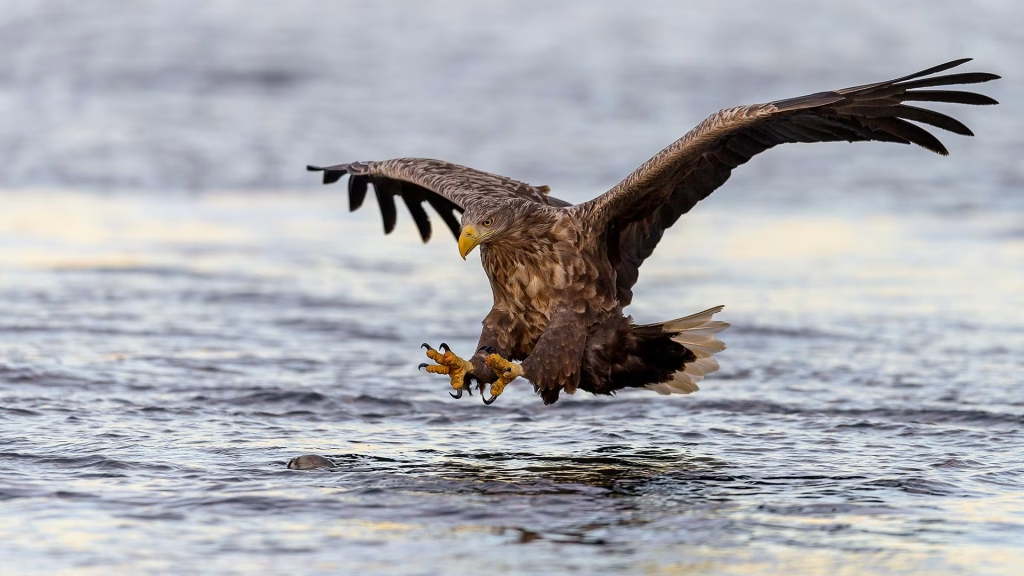
White-tailed eagles remain especially tied to the coast through winter. They frequently patrol the shores of Loch na Keal, often seen sitting on boulders along the south side near Pennyghael, and they move between Loch Scridain, Fishnish and the exposed western reaches toward Ulva and the Treshnish Coast. Winter storms sometimes push them deeper into sheltered lochs, where carcasses and fish remain available. The bare winter trees create clearer lines of sight, making it easier to watch these huge birds glide over the lochs or perch close to the shoreline.
Golden eagles keep largely to the uplands even in winter. They patrol the ridges of Glen More, the cliffs of Ardmeanach and the long slopes above the Mishnish Lochs, sometimes flying lower than usual when strong winds hit the higher peaks. Places such as West Ardhu and Glen Seilisdeir, remain reliable, though winter schedules differ. With fewer people on the hillsides, golden eagles often appear more relaxed, soaring over heather slopes or perched on rocky ledges during clear spells.
Otters on the Winter Shoreline
Eurasian otters stay active around Mull’s coast throughout winter. The most consistent areas include Loch na Keal, Loch Scridain, Loch Don, Fishnish, Aros Park, Tobermory Bay, Salen Bay, Calgary Bay and the quieter shores around Dervaig. Because Mull’s otters are not strictly nocturnal, winter daylight does not reduce the chances of spotting them, and the lower vegetation makes their movements easier to track.
Otters follow the tides more than the time of day in winter. As the tide rises or falls, they forage in the shallows along rocky edges and seaweed-covered platforms, especially around Loch na Keal and Loch Don. Calm days make spotting them easier, with the low winter sun often catching their glossy coats as they slip between rocks.

Winter also makes signs of otter activity more obvious. Spraint on prominent rocks and worn paths through seaweed appear clearly along shorelines such as Tobermory, Calgary and Salen Bay. These clues help watchers choose a good viewpoint to wait for the otters to return, even when weather changes rapidly.
Seals and Other Coastal Mammals
Grey and harbour seals stay around Mull all winter, regularly hauling out around Salen Bay on rocks just to the left of the Salen Boats, Loch na Keal, Calgary Bay, Duart Beach, Laggan Sands, Fishnish and the beaches near Ardalanish. The Treshnish Isles remain a major winter stronghold for grey seals, especially later in the year when numbers increase after their breeding season.

Winter light helps reveal seals resting on exposed rocks at low tide or bobbing offshore with their heads raised. Conditions can change fast, but on calm days the clarity across sea lochs like Loch na Keal and Loch Scridain makes seal watching particularly rewarding, whether from shore or on boat trips running between storms.
Red Deer and Fallow Deer on Winter Hillsides
Red deer remain active throughout Mull in winter, often descending toward lower slopes along coastlines around Loch Scridain, Loch na Keal and the outer edges of Glen More. Harsh weather pushes them into more sheltered glens, making roadside viewing more likely. Their movement across open hillsides stands out clearly against the muted winter colours.

Fallow deer stay concentrated around Knock and Lochbuie, where pockets of mixed woodland provide shelter during the coldest months. These herds remain fairly stable in winter, keeping close to forest edges and glades where forage is still accessible.
Sea Lochs as Winter Havens for Birds
Mull’s sea lochs stay busy throughout winter. Great northern divers, red-breasted mergansers and eiders appear frequently on sheltered waters such as Loch na Keal, Loch Scridain and the bays near Ulva and Calgary. Black guillemots in their pale winter plumage stand out on calm days along rocky edges near Tobermory Harbour, Salen Bay and Fishnish.

Winter storms occasionally push seabirds further into the lochs, especially in the deep waters of Loch na Keal, where birds find shelter to hunt despite rough weather outside the headlands.
Raptors of the Moorland and Coast
Hen harriers continue to quarter the moorlands in winter, often seen hunting low over open ground near Loch Scridain, the edges of Glen More and the fringes of Ardmeanach. Kestrels frequently appear in low-lying areas such as Loch Pottie and farmland around Salen and Dervaig, hovering in the wind as they search for voles. Merlins, though scarce, become slightly more visible in winter when migrant birds arrive from Iceland, particularly around the open ground near the head of Loch Scridain and the road toward Uisken.

What Winter Wildlife Watching Really Involves
Success in winter wildlife watching on Mull depends heavily on conditions. Calm days allow clear views across sea lochs like Loch na Keal and Loch Don, while stormy weather often pushes eagles lower and makes deer more visible along sheltered slopes near Ardmeanach and Glen More. Tide times are essential for otter watching around Fishnish, Tobermory and Calgary Bay. Many sightings come simply from waiting patiently at a good vantage point as wildlife follows its natural rhythm.
Winter light, when skies clear, can be exceptional. Low sun angles illuminate the hillsides around Loch Scridain, reveal movement on the slopes of Glen More and highlight ripples across lochs like Salen Bay and Loch na Keal. Visitors should, however, prepare for sudden weather shifts, unpredictable winds and rapidly falling temperatures.
A Season of Clarity and Quiet
The Isle of Mull in winter offers open views, quiet spaces and wildlife that continues unchanged through the season. For those willing to brave the elements, winter provides some of the most rewarding encounters of the year. With fewer distractions and clearer landscapes across places like Loch na Keal, Glen More, Salen Bay, the Treshnish Coast and the sheltered coves of Loch Don, each sighting feels more intimate and memorable than at any other time of year.
The SV28 spotting scope has a 70mm objective lens with 25–75x zoom, delivering bright, clear, high-contrast images even in low light with its Bak4 Porro prism and multi-coated optics. It is IP65 waterproof, has durable rubber armor, a retractable sun visor, desktop tripod, and a smartphone adapter, making it ideal for target shooting, birdwatching, and outdoor observation.

Respect Wildlife: Please remember to observe all animals from a safe distance and avoid disturbing them. Do not attempt to feed, touch, or get too close to eagles, otters, seals, deer, or any other wildlife. Use binoculars or cameras with zoom lenses to enjoy them safely, move quietly, and always follow local guidance to ensure both your safety and the well-being of the animals.