

Facts about otters reveal these fascinating semi-aquatic mammals and their behaviours, habitats, diet, and role in ecosystems. In this post, we share 20 interesting facts about otters, covering everything from their playful nature to their unique hunting skills.
1. Otters Are Semi-Aquatic Mammals
Otters are mammals adapted to live both in water and on land. Their bodies are streamlined for swimming, and their webbed feet help them move quickly in rivers, lakes, and coastal areas. They can hunt underwater for fish, crustaceans, and amphibians, but they also rest, mate, and raise their young on land.
2. Otters Have Extremely Dense Fur
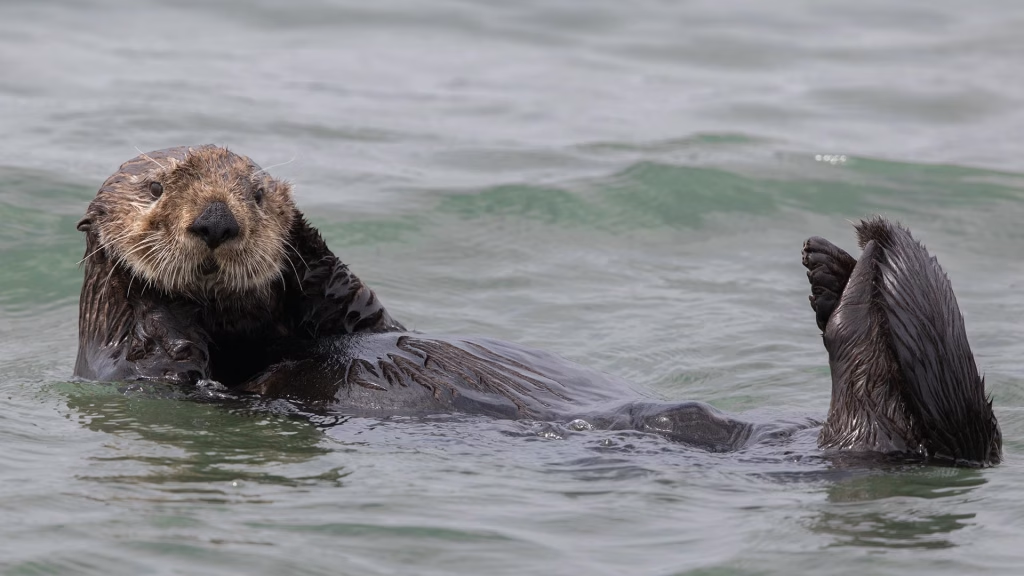
Otters have the densest fur of any mammal, with up to a million hairs per square inch. This dense coat keeps them warm in cold water, trapping a layer of air that insulates their bodies. Unlike other aquatic mammals, otters rely on their fur rather than a thick layer of fat for warmth.
3. They Use Tools to Hunt
Some otters, especially sea otters, are among the few mammals that use tools. They use rocks to crack open shells of sea urchins, crabs, and mollusks. This remarkable intelligence demonstrates their adaptability and problem-solving skills in the wild.
4. Otters Are Extremely Playful
Otters are known for their playful behavior. They slide down muddy or snowy banks, chase each other, and engage in wrestling games. Play is believed to help young otters develop hunting skills and social bonds, and it also serves as a way for adults to maintain fitness and coordination.
5. Otters Have a Flexible Diet
Otters are opportunistic feeders, adjusting their diet based on availability. River otters primarily eat fish, amphibians, and small mammals, while sea otters feed on invertebrates such as sea urchins, crabs, and mollusks. This dietary flexibility helps them survive in different habitats.
6. Otters Can Hold Their Breath for Several Minutes
When diving for food, otters can hold their breath for up to eight minutes. River otters usually stay submerged for shorter periods, while sea otters can dive deeper and longer to reach the seafloor in search of prey. Their high oxygen storage and slow heart rate allow them to remain underwater efficiently.
7. Otters Communicate Using a Variety of Sounds
Otters are highly vocal animals, using whistles, growls, chirps, and screams to communicate. These sounds can signal alarm, establish territory, or strengthen social bonds within a group. Each otter species has its own range of calls adapted to their environment.
8. They Have Highly Sensitive Whiskers
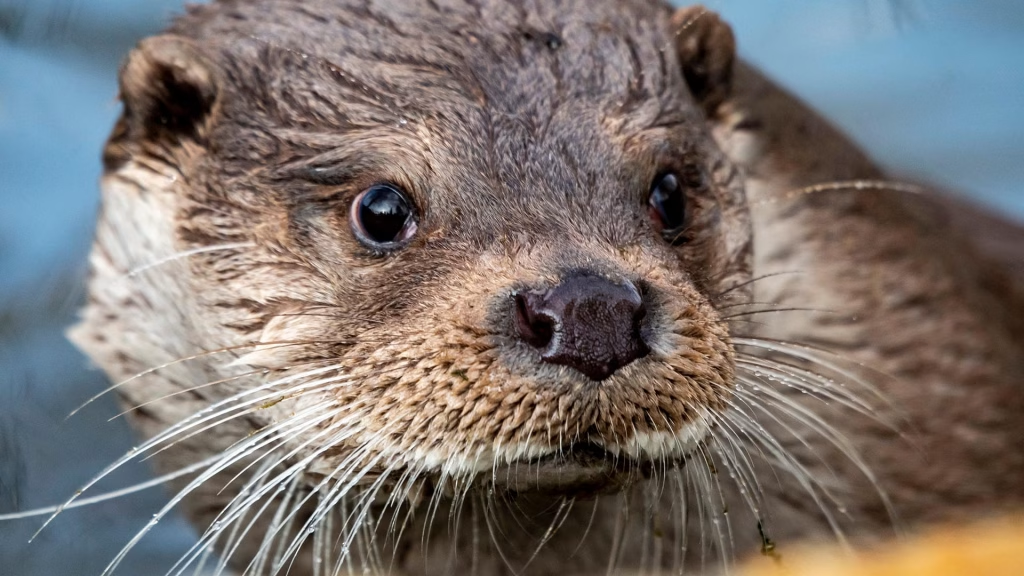
Otters rely on their vibrissae, or whiskers, to detect movement in water. Their sensitive whiskers can sense the vibrations of fish swimming nearby, even in murky water. This makes them effective hunters, even in low-visibility conditions.
9. Otters Are Social Animals
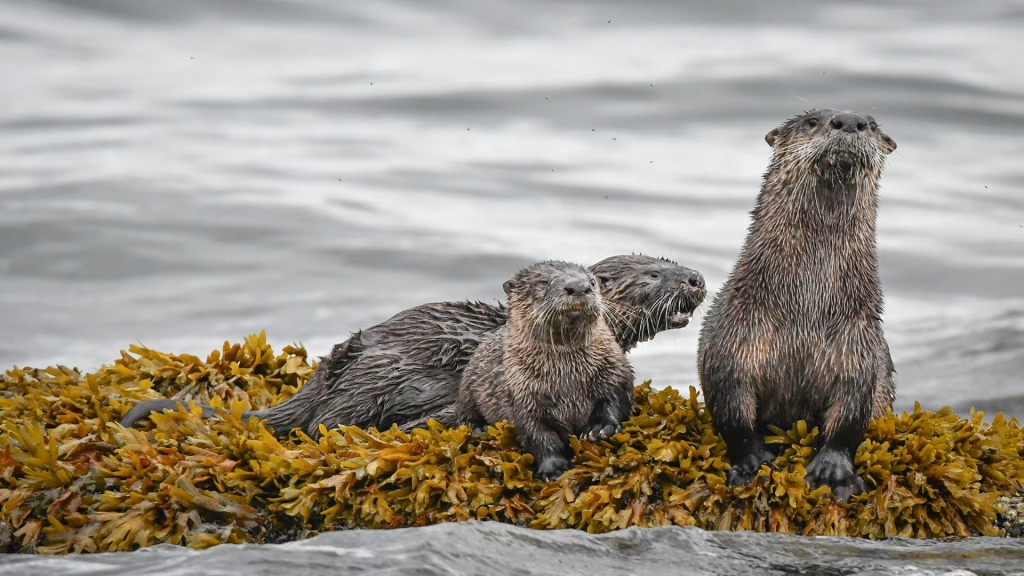
Many otter species live in social groups called rafts or families. River otters often form family groups with a mother and her offspring, while sea otters sometimes float together in large rafts of dozens or even hundreds of individuals. Social living helps protect them from predators and facilitates hunting and grooming.
10. Otters Groom Constantly
Otters spend a significant portion of their day grooming their fur. Grooming maintains the air layer trapped in their coat, which is essential for insulation. It also keeps their fur clean of dirt, parasites, and water debris, ensuring they remain buoyant and thermally protected.
11. Otters Can Travel Long Distances
River otters can travel several miles along waterways in search of food or new territory. Sea otters, while generally staying near kelp beds, also move along the coast to find abundant prey. Their mobility allows them to exploit different feeding grounds and avoid competition.
12. Otters Mark Their Territory
Otters use scent marking to communicate territory boundaries and reproductive status. They have scent glands near the base of their tails that deposit a strong-smelling secretion on rocks, vegetation, and riverbanks. This chemical communication reduces direct conflicts between neighboring otters.
13. Otters Are Excellent Swimmers
Otters can swim at speeds up to seven miles per hour using their powerful tails and webbed feet. Their bodies are streamlined, and their lungs and fur provide buoyancy. These adaptations make them agile hunters in both freshwater and marine environments.

14. Otters Can Live in Diverse Habitats
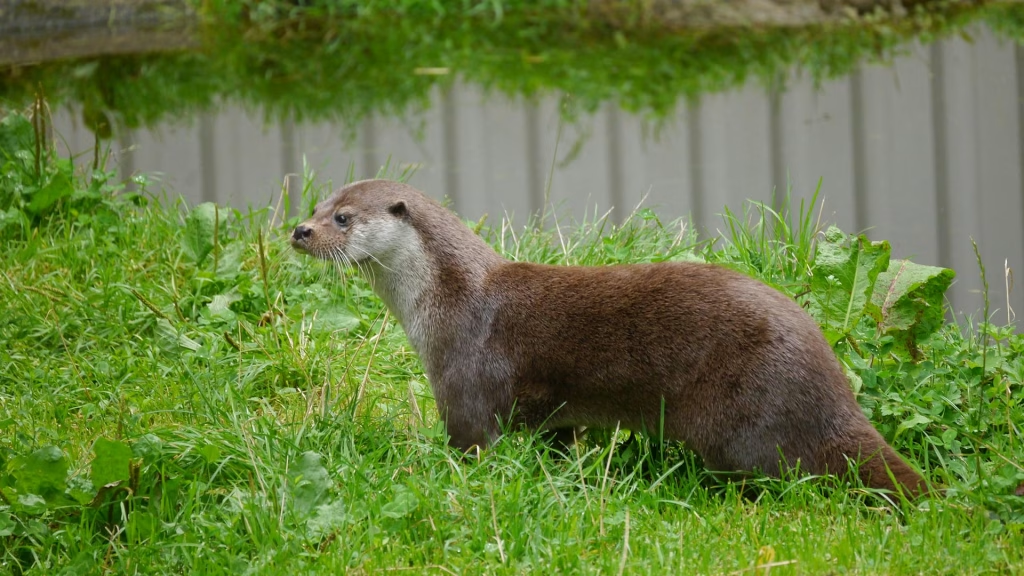
Otters inhabit rivers, lakes, wetlands, and coastal waters. Some species, like the sea otter, live entirely in marine habitats, while others, such as the European river otter, live in freshwater systems. Their adaptability allows them to survive in temperate and subarctic regions.
15. Otters Have Few Natural Predators
Adult otters have very few natural predators, and threats from other wildlife are generally minimal. Young or vulnerable individuals may occasionally be at risk from large birds of prey, but historically the greatest danger came from humans, who hunted otters extensively for their fur. Although hunting is no longer a major issue, human activity still poses a greater pressure on otter populations than any natural predator.
16. Otters Are Important for Ecosystems
Otters play a crucial role in maintaining healthy ecosystems. Sea otters, for example, control sea urchin populations that can overgraze kelp forests. River otters help balance fish and amphibian populations in rivers and lakes, demonstrating their role as keystone species.
17. Otters Are Mostly Nocturnal
Many otter species are most active at night or during dawn and dusk. Nocturnal activity helps them avoid predators and human disturbance while hunting for food. However, they may also be seen during the day, especially in quieter, less disturbed habitats.
18. Otters Have a Long Lifespan for Their Size
Otters can live up to 10-15 years in the wild, depending on the species. Sea otters tend to live slightly longer than river otters due to fewer terrestrial threats. In captivity, otters may live over 20 years under controlled care with proper nutrition.
19. Otters Are Skilled Hunters
Otters use speed, agility, and teamwork to catch prey. They can dive, chase, and trap fish or invertebrates using both their forepaws and mouths. Some species hunt in groups to herd fish, showing a high degree of hunting strategy.
20. Otters Are a Conservation Success Story
Many otter species faced population declines due to hunting, pollution, and habitat loss. Conservation efforts, legal protection, and habitat restoration have allowed populations to recover in parts of Europe, North America, and Asia. Otters now serve as a symbol of successful wildlife conservation efforts.
Further Reading on Otters
If you’re also interested in learning more about otters on the Isle of Mull, you may find this detailed guide to ethical otter spotting helpful. It offers clear, practical advice on how to watch otters responsibly without disturbing them or their habitats. Whether you’re planning a visit or simply want to understand their behaviour better, it’s an excellent next step for anyone curious about Mull’s wildlife.