



The Isle of Mull is one of Scotland’s most celebrated wildlife destinations, known for sea eagles, otters and red deer. Yet along its quiet coastlines lives another animal that sparks curiosity and debate in equal measure: the American mink. Although not native to Mull, they have become established over several decades and now move silently along rivers, burns and rocky bays. Understanding how they arrived, how they survive on the island and how best to see them creates a fuller picture of Mull’s rich and sometimes complicated wildlife story.
How Mink Arrived on the Isle of Mull
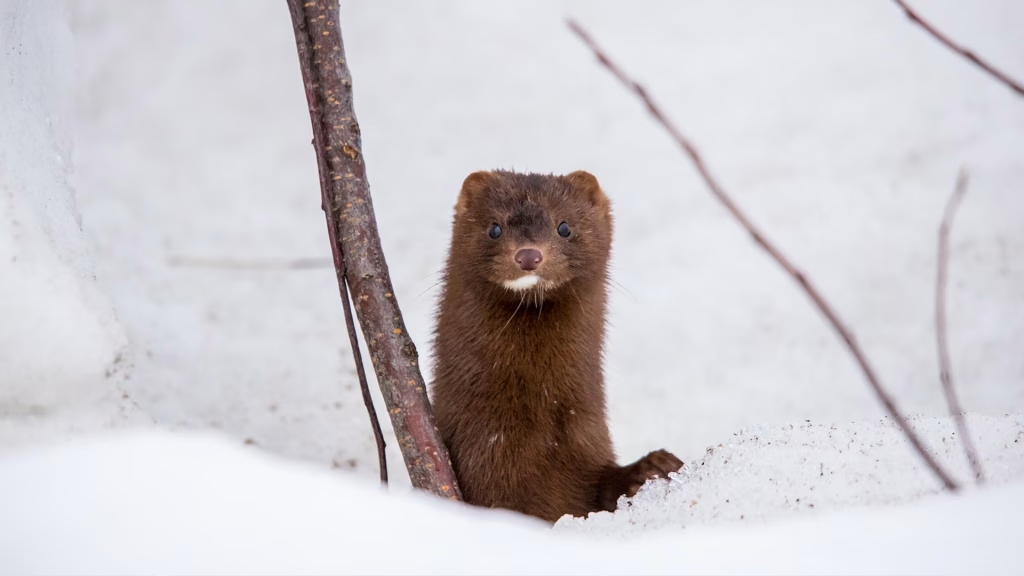
Mink have no ancient heritage on Mull. Their presence here began in the twentieth century, when the fur farming industry was active on the Scottish mainland and nearby regions. As farms declined, some mink escaped through damaged enclosures, others slipped out during transport and some were released when the industry collapsed. Once loose, they adapted quickly to wild conditions.
Because mink are strong swimmers, the narrow sea channels between Mull and the mainland posed little challenge. A number reached Mull by swimming, while others arrived on small boats without being noticed. By the late twentieth century mink were firmly established, particularly along productive coastal fringes where prey is abundant.
The Habitats Mink Favour on Mull
To understand mink on Mull it helps to focus on water. They are semi aquatic predators that thrive where land meets sea, river or burn. Mull provides a rich blend of these environments.
Coastal habitats
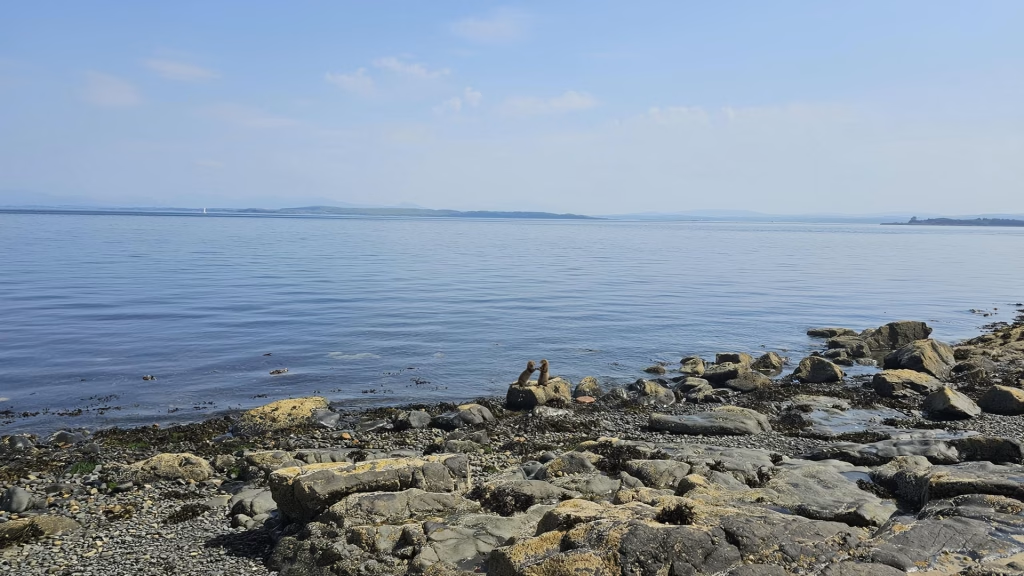
Sea lochs and sheltered bays offer ideal conditions. Loch na Keal, Loch Scridain and Loch Tuath have long, varied coastlines with boulders, seaweed beds, rock pools and wading birds. These elements create excellent feeding territory for mink.
Rocky and intertidal zones
Rocky shorelines are especially productive because the tide exposes pools of trapped fish and crabs. Mink move swiftly across kelp and stone, slipping into crevices and exploring the intertidal zone with ease.
River and burn corridors
Inland burns lined with alder and willow also support mink activity. Here they hunt amphibians, voles and small birds. Although coastal sightings are more common, these freshwater routes act as important travel corridors.
Offshore islets
Their strong swimming ability allows mink to reach small offshore islands around Mull. Some of these islands host vulnerable seabirds, which is why monitoring mink movements remains important to conservation groups.
How Mink Behave on Mull
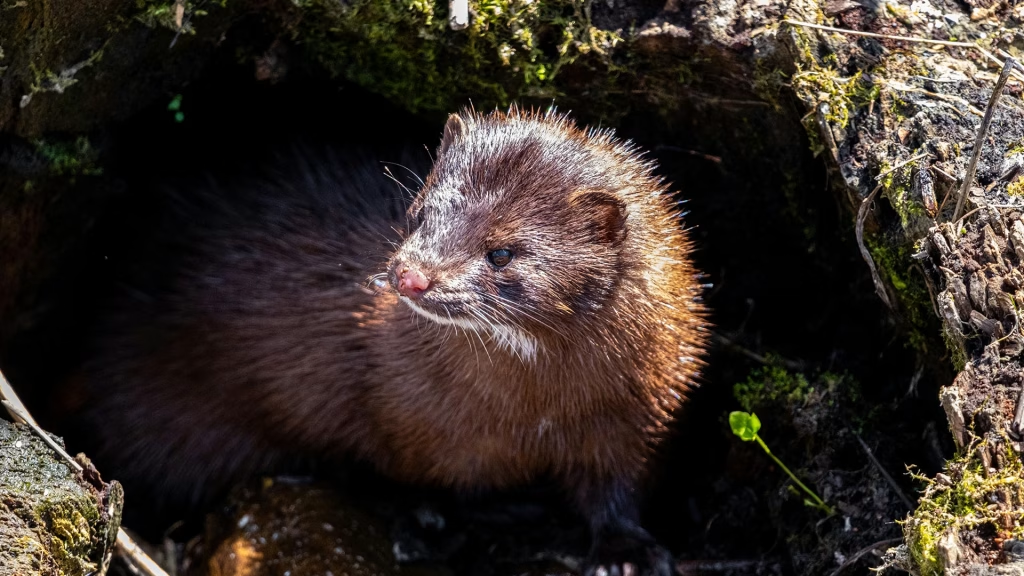
Mink behaviour on Mull follows the same patterns seen in their native North American range but is shaped by the island’s geography.
They often hunt according to the rhythm of the tide. Low tide reveals food rich areas among the rocks and seaweed, and mink move confidently through these exposed zones. Their movements are fast and close to the ground, giving them the stealth required to approach prey.
Dawn and dusk are their peak activity times. Although they can appear during the day, mink prefer low light, especially on busier shores. They travel long distances in a single night, often following the edges of sea lochs or narrow burns.
Their dens are usually hidden beneath tree roots, hollowed banks or gaps within stone walls. These concealed shelters make mink hard to find even where numbers are stable.
What Mink Eat on Mull
Mink are adaptable predators and their diet reflects the range of coastal and freshwater environments on Mull. They eat small fish from rock pools, shore crabs, voles, mice, frogs and young rabbits. During spring and early summer, they may also take eggs or chicks from ground nesting birds.
Along sea lochs they are often seen diving for fish fry or searching beneath stones for crabs. This ability to feed both in water and on land gives them a strong advantage within Mull’s diverse habitats.

Are Mink a Problem on Mull
The impact of mink on Mull generates ongoing discussion. Many residents see them as another species living on the island, while conservationists monitor them due to their potential effect on certain birds and small mammals.
Because Mull is large and varied in terrain, the pressure mink place on wildlife is more dispersed than on smaller islands with concentrated seabird colonies. Even so, mink can reduce breeding success for wading birds and water voles in sensitive areas. Occasional control and monitoring projects help minimise potential damage.
How to See Mink on the Isle of Mull Responsibly
Seeing a mink on Mull is achievable with patience and the right approach. These animals are cautious and respond quickly to disturbance, so your best chances come in quiet places and at quiet times.
Choose calm, remote feeling shorelines away from busy walking routes. Rather than walking the whole time, sit still above the tideline and watch the rocks and seaweed. Movement often causes mink to vanish instantly, while remaining still allows them to appear naturally.
Low tide offers the best chance of success since it exposes their main feeding zones. Scan rock pools and kelp for movement. Early morning and evening are the most rewarding periods, especially when the air is still and quiet.
Extremely wide 62.9 degree apparent field of view
Waterproofing up to 1m for up to 10 minutes and a fog-free design keep the view clear no matter what the weather does.
Lenses are multilayer coated for brighter images, and a high-reflective silver-alloy coat is applied to the mirror surfaces of the prisms
Rubber armouring protects binoculars from knocks and bumps
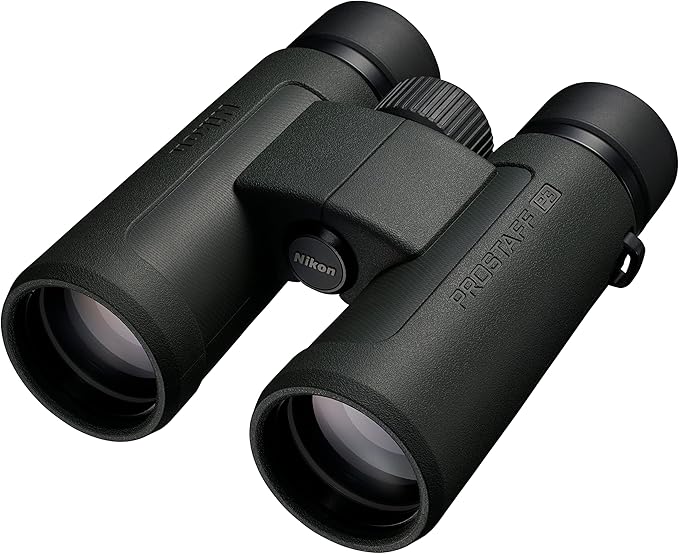

Use binoculars to avoid getting too close. Approaching mink can disturb not only them but also nearby nesting birds. A distant, undisturbed observation is far more valuable than a close but disruptive encounter.
Most sightings are brief yet distinctive. A sleek dark shape moving quickly across wet rocks, often accompanied by a long tail held low, is the signature of a mink on the hunt.
Mink Trivia for Nature Lovers
- Mink can swim more than a kilometre in open water, which explains their presence on many of Mull’s tiny satellite islands.
- They can dive for longer than a minute while searching for fish.
- Most mink have a small white chin patch, which makes individual identification possible.
- They often hide food beneath stones or in crevices to return to later.
- Their vocal sounds include short barks and chatters when excited or alarmed.
- Mink live in dens known as burrows or earths, though they rarely dig their own. Instead, they take over spaces made by rabbits, voles, or natural hollows under tree roots and rocks.
- Baby mink are called kits, and they’re born blind and helpless inside the safety of the den.
- A female mink, known as a jill, typically raises four to six kits, protecting them fiercely for the first few months of life.
Mink and the Island Environment
Mink are now a firm part of the Isle of Mull’s modern wildlife landscape. Although introduced, they have adapted rapidly to the island’s wide mix of coastal and freshwater habitats. Visitors who are patient and observant can sometimes experience the unforgettable sight of a mink weaving between rocks or slipping into a burn at dusk.
For conservationists, mink serve as a reminder of how human influence can shape ecosystems far into the future. Whether viewed with admiration for their agility or concern for their ecological impact, mink remain a fascinating and elusive resident of Mull’s natural world. However, it is important to remember that mink are a non-native, invasive species in Scotland, and their presence can have serious consequences for local biodiversity. As highly effective predators, they pose a particular risk to ground-nesting seabirds, small mammals, and fish, including salmon. Because of this, sightings of mink on the Isle of Mull should still be reported when possible. You should report any sightings of mink in the Western Isles to the Hebridean Mink Project.
