

The Isle of Mull supports a small but important range of owl species, benefiting from extensive areas of moorland, rough grassland, woodland edges and low-intensity farmland. While owls are often elusive and most active at dusk or during the night, Mull offers suitable habitat for both resident and breeding species, making it one of the better places in western Scotland to encounter these birds.
The owls recorded on Mull include Barn Owl, Tawny Owl, Long-eared Owl and Short-eared Owl. Each species uses different habitats and hunting strategies, allowing them to coexist across the island’s varied landscape.
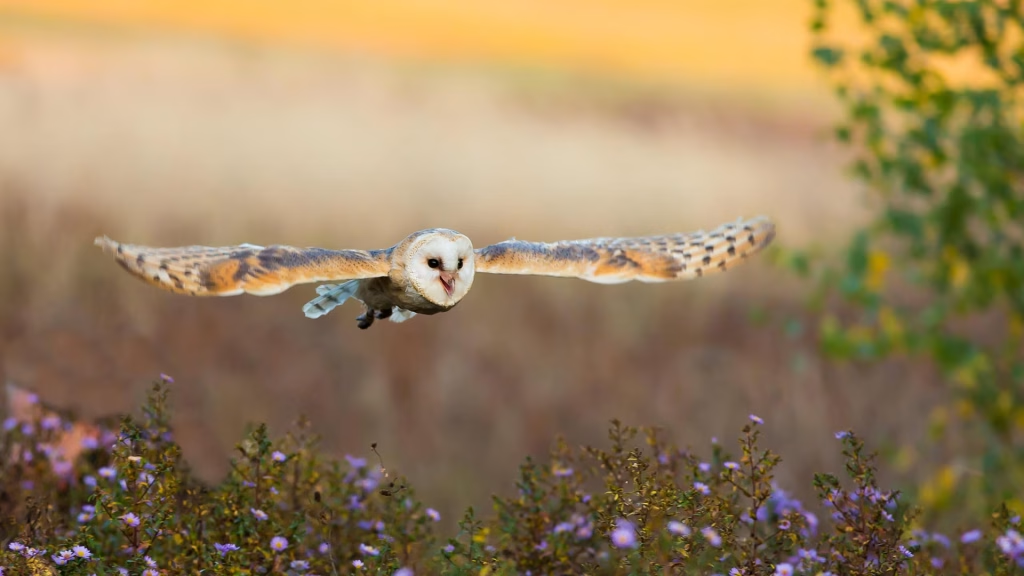
Barn Owl
The Barn Owl is a resident species on Mull and is most closely associated with open farmland, rough grassland and low-lying coastal areas. It favours landscapes where grassland provides good populations of small mammals, its primary prey.
Barn owls are most often seen at dusk, flying low over fields and road verges with slow, buoyant wingbeats. On Mull, sightings are typically linked to quieter areas with minimal disturbance and suitable nesting sites such as old buildings or tree cavities.
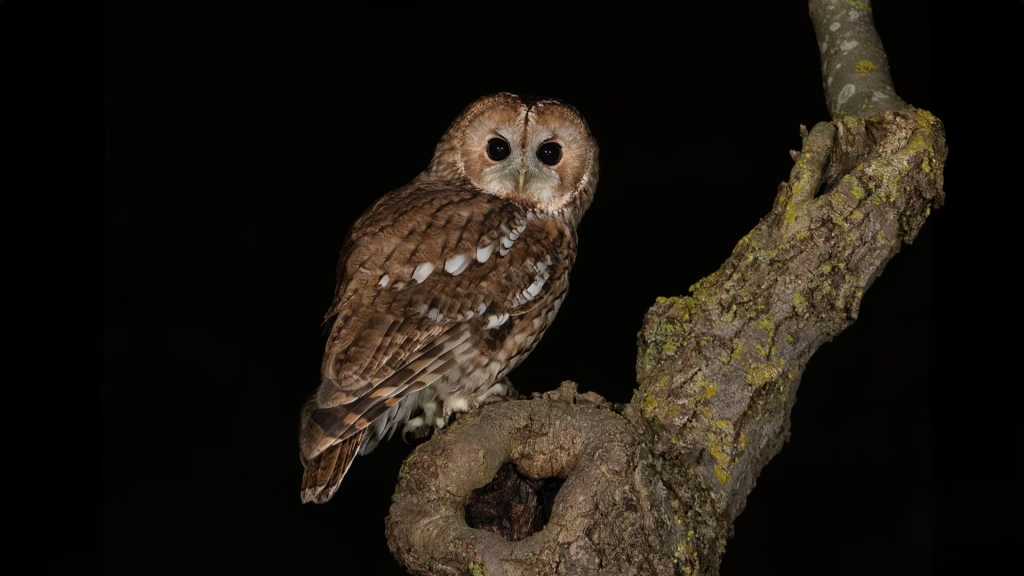
Tawny Owl
The Tawny Owl is another resident species on Mull and is most strongly associated with woodland, shelter belts and wooded glens. It is primarily nocturnal and is more often heard than seen, particularly during the breeding season when its calls carry through wooded areas.
Tawny owls are territorial and tend to remain within well-defined areas year-round. Their presence on Mull reflects the availability of mature trees and mixed habitat that provides both nesting opportunities and hunting grounds.
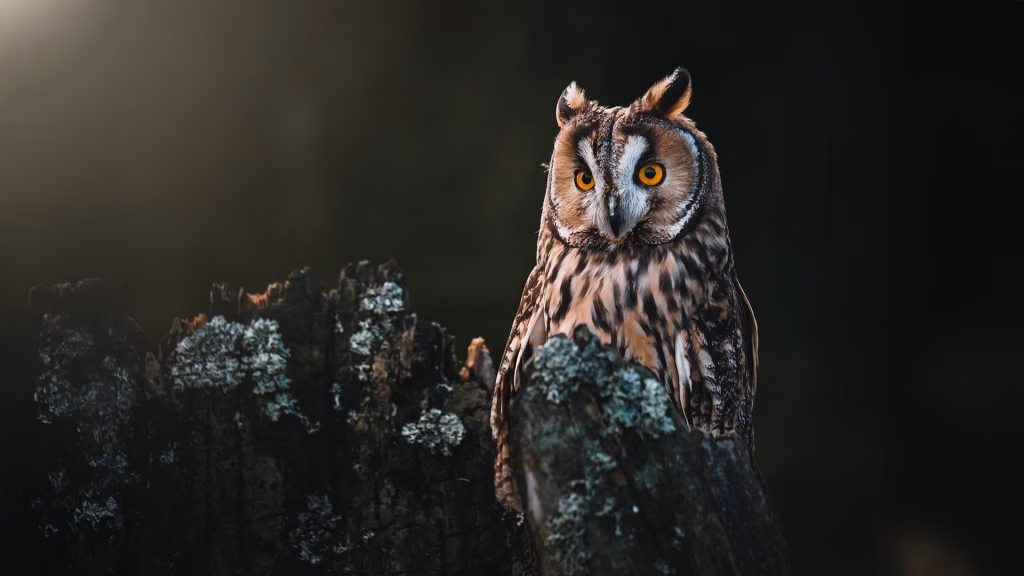
Long-eared Owl
The Long-eared Owl is a resident but scarce species on Mull and can be particularly difficult to observe. It favours areas with dense cover, such as conifer plantations, woodland edges and sheltered scrub, where it can roost discreetly during the day.
Like the tawny owl, the long-eared owl is mostly nocturnal and hunts over nearby open ground, including rough grassland and moorland margins. Its secretive nature means that confirmed sightings are relatively uncommon, even where the species is present.
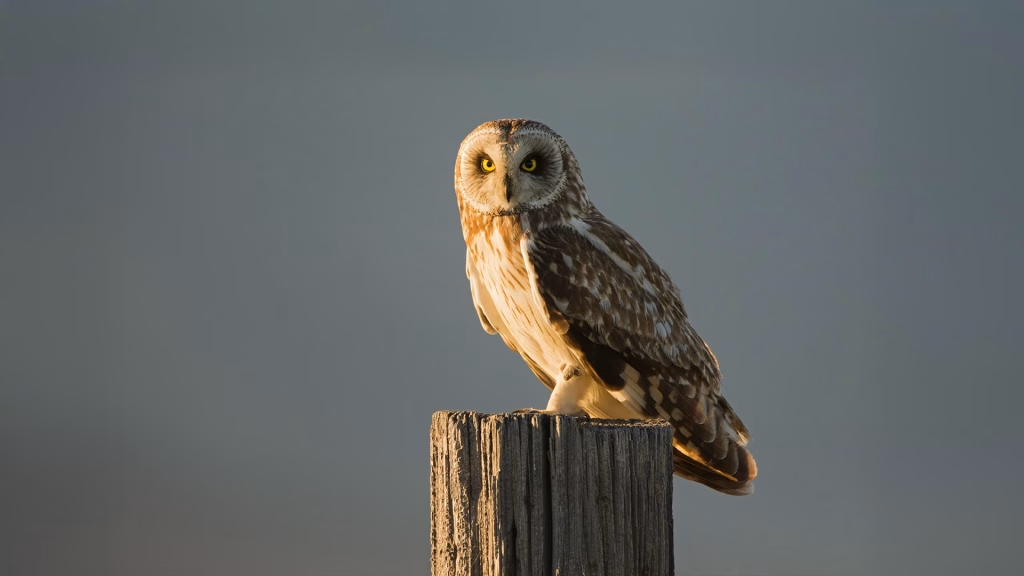
Short-eared Owl
The Short-eared Owl is present on Mull as a breeding species in suitable years. Unlike most owls, it is frequently active during daylight hours, particularly at dawn and dusk, making it more visible than other owl species.
This species is strongly associated with open moorland, rough grassland and peatland habitats. On Mull, short-eared owls hunt by flying low over open ground, often quartering fields and moors in search of prey. Their presence can vary from year to year depending on habitat conditions and food availability.
Habitats Supporting Owls on Mull
Mull’s landscape plays a key role in supporting its owl populations. Open moorland and rough grassland provide hunting grounds for barn and short-eared owls, while woodland patches, plantations and sheltered glens offer roosting and nesting sites for tawny and long-eared owls.
The island’s relatively low levels of intensive agriculture and large areas of semi-natural habitat help maintain the balance needed for these species to survive.
Seeing Owls on Mull
Owls on Mull are most likely to be seen during the quieter parts of the day. Barn owls are often encountered around dusk along quiet roads or field edges, while short-eared owls may be visible hunting in daylight over open ground. Tawny and long-eared owls are more often detected by sound rather than sight.
Patience, minimal disturbance and respect for sensitive habitats are essential when observing owls, particularly during the breeding season.
Importance of Mull for Owls
The presence of four owl species highlights the ecological value of Mull’s varied habitats. The island provides a rare combination of open hunting ground, woodland cover and low human disturbance, allowing owls to persist in a landscape that remains relatively natural.
Although never guaranteed sightings, owls remain an important and fascinating part of Mull’s birdlife, adding to the island’s reputation as one of Scotland’s most rewarding places for wildlife observation.