



Celebrate Puffin Day: Meet Scotland’s Charming Puffins
April 14 each year is recognised as Puffin Day, an opportunity to celebrate one of the most distinctive and beloved seabirds of the North Atlantic, the Atlantic puffin (Fratercula arctica). Puffin Day serves to raise awareness of this species’ remarkable life cycle, its ecological importance, and the conservation challenges it faces. Atlantic puffins are emblematic of the marine ecosystems around the British Isles, Iceland, Norway, and eastern Canada, and they captivate naturalists and casual observers alike with their bold colours, unique flight style, and unusual breeding behaviour. Their presence in nearshore waters during the breeding season transforms rugged coastal landscapes into vibrant wildlife spectacles, attracting birdwatchers and photographers from across Europe and beyond.

The puffin’s iconic appearance, characterised by its bright orange beak, stark black and white plumage, and expressive facial markings, makes it readily recognisable even to those with only a passing interest in seabirds. Puffins spend the majority of the year far out at sea, ranging across the North Atlantic in pursuit of small schooling fish, plankton, and other marine organisms. It is only during the late spring and summer months that they return to land to breed and raise their young. On Puffin Day, enthusiasts reflect on these migratory rhythms and the extraordinary adaptations that allow puffins to thrive in some of the harshest marine environments on Earth.
Staffa as a Premier Puffin Viewing Destination
Among the many locales where Atlantic puffins can be observed, the Isle of Staffa stands out as one of the most remarkable within the United Kingdom. Staffa is a small, uninhabited island in the Inner Hebrides of Scotland, celebrated not only for its geological splendour but also for its abundance of seabirds, including puffins. The island’s volcanic origins produced a magnificent array of basalt columns, cliffs, and sea caves, most famously Fingal’s Cave, which have inspired travellers and artists for centuries. This rugged topography also provides ideal nesting habitat for puffins, which favour the grassy cliff edges and slopes where they excavate or appropriate burrows to lay their eggs and rear their chicks.
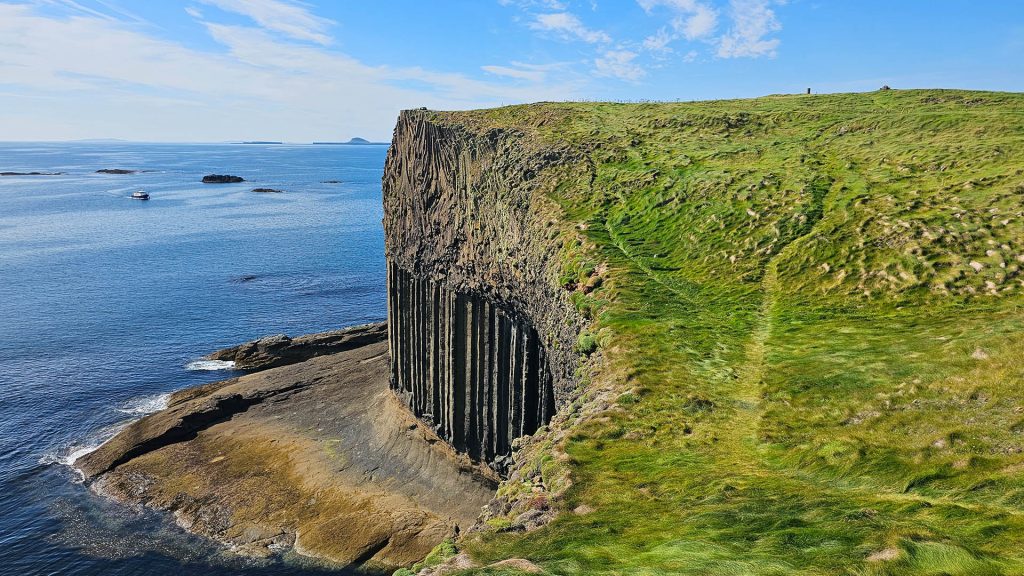
The ascent from the landing point on Staffa brings visitors into the heart of the puffins’ breeding grounds, where the birds can be seen performing characteristic behaviours throughout the breeding season. From late April through early August, puffins are active on land, engaging in courtship rituals, burrow maintenance, and the energetic task of feeding chicks. These activities create a dynamic environment in which attentive observers can witness the interplay of avian life against a backdrop of dramatic sea and sky. Puffins’ frequent flights between the sea and their burrows, often with beaks brimming with sandeels or other small fish, offer compelling subject matter for wildlife photographers and a memorable connection to the natural world for all visitors.
Reaching Staffa: Routes and Practicalities
Reaching Staffa requires thoughtful planning, as the island is accessible only by boat. Boat tours to Staffa leave from several points on and near the Isle of Mull, and one of the most popular departure sites is Ulva Ferry, a small port on the west coast of Mull where the sound between Mull and Ulva lies. From the Ulva Ferry pontoon, family‑run operators such as Turus Mara run daily wildlife and seabird excursions to Staffa and the neighbouring Treshnish Isles, offering a scenic passage through the Inner Hebrides and excellent opportunities to see seals, dolphins, and other seabirds on the way to the island.

The journey from Ulva Ferry to Staffa typically takes around an hour, with the crossing itself providing expansive views of the Hebridean seascape and marine life. Tours usually operate from April through the summer months, and seasonal timetables often schedule departures in the late morning to coincide with favourable tidal conditions for landing and navigation. It is important to check the latest schedules and sea‑condition updates before travelling, as services are weather‑dependent and can change with short notice.
Visitors should consider booking in advance, especially for trips around Puffin Day, as these excursions are popular with birdwatchers and those keen to witness puffins and other wildlife. Comfortable, weather‑appropriate clothing is essential, as exposed deck space can be cool or damp even in summer, and good footwear helps when moving about on deck during the crossing.
Preparing for the Visit: Clothing, Equipment, and Safety
Arriving on Staffa presents an opportunity to immerse oneself in a relatively untouched natural environment, but it also requires preparation. The island’s exposed location subjects it to sudden changes in weather, and even on clear days strong winds and sea spray can be factors. Visitors should wear layered, weather‑resistant clothing and sturdy, non‑slip footwear suitable for uneven terrain. A waterproof outer layer is essential, as showers can develop rapidly even when the sun is shining.
Optical equipment such as binoculars and cameras with telephoto lenses greatly enhances puffin viewing, allowing detailed observation of behaviours while maintaining a respectful distance from nesting sites. It is important to observe wildlife etiquette, refraining from approaching too closely or disturbing burrows. Puffins are sensitive to human presence, and maintaining a measured distance helps protect both the birds and their habitat. Guides on boat tours often provide additional insights into safe practices and recommended vantage points, enriching the overall experience.
Safety briefings provided by boat operators should be followed closely, particularly regarding boarding and disembarking procedures. The landing area on Staffa consists of a simple jetty and natural rock features, which can be slippery when wet. While many visitors navigate these conditions without incident, caution and attention to footing are crucial to avoid accidents.

Viewing Tips: Timing, Behaviour, and Best Practices
For those seeking the most rewarding puffin watching experience, timing is a key consideration. Puffins are most active during the early morning and late afternoon, when they are busy commuting to and from the sea with food for their chicks. Visits scheduled during these windows often yield the most opportunities to observe flight patterns, fish deliveries, and interactions between mates. The breeding season’s peak activity typically occurs in June and July, when chicks are growing rapidly and adults make frequent feeding trips.

Observers should take care to remain on designated paths and maintain a respectful distance from burrow entrances. Puffins often nest in close proximity to one another, and careless movements can inadvertently cause stress to the birds or damage to fragile nesting sites. Naturalists accompanying many boat tours can offer guidance on where to stand for unobstructed yet unobtrusive viewing, helping visitors enjoy the spectacle without compromising the welfare of the birds.
Weather conditions can influence puffin behaviour; calm, bright days often see more activity offshore, while windy or rainy conditions may reduce visible movement. Nonetheless, the dramatic interplay of seabirds against Scotland’s ever‑changing skies remains compelling, with other species such as guillemots, razorbills, and kittiwakes also present in abundant numbers.
Puffin Biology and Fascinating Traits
Atlantic puffins exhibit a suite of adaptations that suit their dual life at sea and on land. Their wings are relatively short and stout, enabling rapid flapping that serves both aerial flight and underwater propulsion. Puffins are adept swimmers, using their wings to “fly” through water in pursuit of fish, and can reach depths exceeding 60 metres when diving for prey. Their specialised beak structure allows them to carry multiple small fish crosswise, secured by spiny tongue and palate structures, making them efficient providers for their chicks.

Puffins are also noted for their monogamous breeding behaviour, often returning to the same mate and the same burrow year after year. These burrows, dug into grassy slopes or adapted from crevices among rocks, provide a safe environment for a single egg. Both parents share incubation duties and the demanding task of feeding the chick until it fledges and makes its first journey to sea.

Migration patterns vary, but after the breeding season puffins depart for offshore waters where they spend the autumn and winter months largely out of sight of land. Advances in tracking technology have revealed extensive movements across the North Atlantic, underscoring the importance of international cooperation in conserving puffin populations and their oceanic habitat.
Conservation Context and the Importance of Puffin Day
While puffins remain a symbol of coastal wilderness, they face challenges that include habitat disturbance, changes in prey availability linked to ocean warming, and impacts from marine pollution. Puffin Day extends beyond celebration to promote awareness of these pressures and the need for conservation action. Initiatives that protect breeding sites, mitigate bycatch in fisheries, and address broader marine ecosystem health contribute to sustaining puffin populations for future generations.

Visiting Staffa and other puffin colonies with a conservation‑minded perspective reinforces the connection between people and the environments these birds inhabit. By observing responsible wildlife tourism practices, supporting conservation organisations, and sharing knowledge about puffins and their ecosystems, visitors contribute to the long‑term resilience of these remarkable birds.
Reflecting on the Experience
Puffin Day offers a meaningful moment to reflect on the wonder of the Atlantic puffin and to plan experiences that bring nature closer in a respectful and informed way. A journey to Staffa, with its unique geology and vibrant seabird communities, provides an unparalleled setting in which to appreciate the life of puffins. From the journey across shimmering waters of the Inner Hebrides to the first glimpse of puffins darting across the cliff faces, such an adventure embodies the spirit of discovery and the enduring allure of the natural world.
Supporting Scotland’s Seabirds
While celebrating Puffin Day, visitors can also contribute to the protection of Scotland’s iconic seabird populations. The Scottish Government has launched the Draft Scottish Seabird Conservation Action Plan to address threats such as climate change, invasive predators, and food shortages, which have caused dramatic declines in seabird numbers over the last two decades. Developed in partnership with NatureScot, the RSPB, and the British Trust for Ornithology, the plan outlines over 50 actions to enhance food availability, provide safe nesting areas, and promote research and public awareness. By learning about and supporting initiatives like this, nature lovers can help ensure puffins and other seabirds continue to thrive along Scotland’s coasts. Read more here.
