



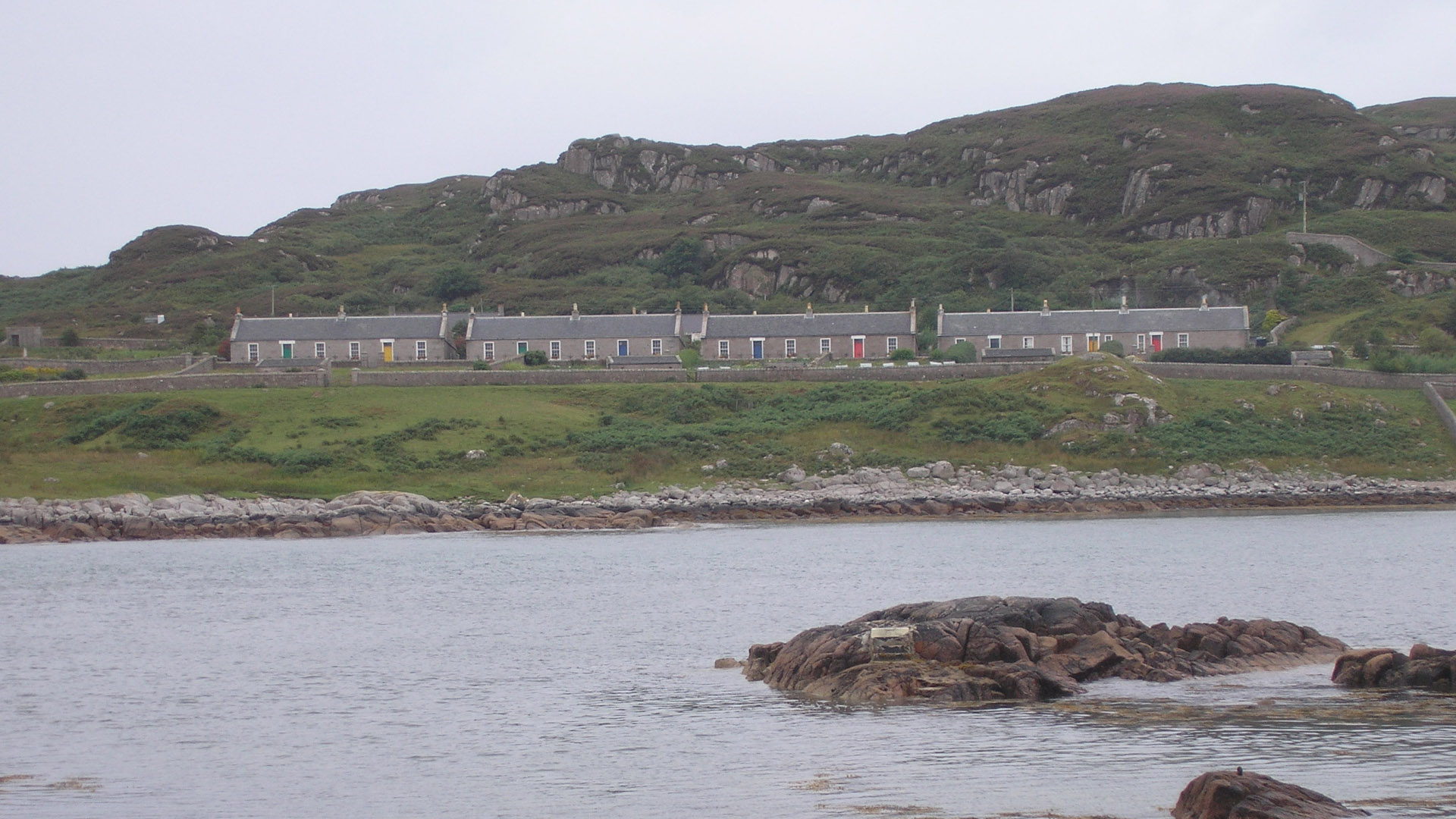
Erraid, a small island just off the southwest tip of the Ross of Mull, combines history, nature, and a unique way of life. Connected to Mull by a sandy beach at low tide, this approximately one-square-mile island offers more than scenic views; it tells a living story. Despite its rugged charm, Erraid enjoys one of the driest and sunniest spots on Scotland’s western seaboard. Let’s explore what makes this tidal gem so special.
A Journey Through Time: The Rich History of Erraid
Early Settlement on Erraid
People have inhabited Erraid for millennia, with traces of early settlement visible across the landscape. Archaeological surveys have identified a Bronze Age burial cairn and probable Bronze Age house foundations, indicating ritual and domestic activity thousands of years ago. These discoveries reveal that the island was a site of human activity long before written history.
Dun Aoidhean and Iron Age Fortifications
The island’s most notable prehistoric site is Dun Aoidhean, an Iron Age fortified settlement (or dun) perched on a rocky knoll at the northeast corner of the tidal island, overlooking the Sound of Iona. In addition, the landscape is scattered with old field walls and stone foundations, suggesting long-standing patterns of agriculture and settlement, and providing a tangible link to Erraid’s ancient past.
Norse Influence and Monastic Control
Around 1058, Norse settlers left the island. For the next 500 years until the Reformation in 1560, Iona Abbey held Erraid along with much of the western Ross of Mull.
In the mid-19th century, Erraid became the shore station for building the Dubh Artach Lighthouse, located among the treacherous Torran Rocks. Workers quarried stones directly on the island. The famous Stevenson family, including Thomas Stevenson, father of Robert Louis Stevenson, led the lighthouse project. Robert Louis Stevenson visited Erraid frequently. He set his hero David Balfour’s shipwreck in his novel “Kidnapped” here. He fondly recalled his visits in “Memories and Portraits.” The cottages, quay, and outbuildings on Erraid housed lighthouse workers.

Kidnapped is a classic novel by Robert Louis Stevenson, first published in 1886. The story follows the adventures of young David Balfour as he is kidnapped and taken on a journey of self-discovery. Along the way, he meets a notorious pirate, Alan Breck, and together they face many dangers, including shipwreck and capture by the English. David learns the value of courage, friendship and loyalty as he fights to survive and reclaim his rightful inheritance. With unexpected twists and turns, Kidnapped is a thrilling tale of adventure and self-discovery.


Many visitors and local guides also mention a small rock on Erraid called the “wishing stone,” which has long been linked with Robert Louis Stevenson’s early experiences on the island. According to island tradition, Stevenson stood on this stone and dreamt of becoming a writer while watching the sea and the construction work. For decades, guests have paused by this stone to make their own wishes, hoping to capture a bit of the inspiration that once stirred the young author here. While this story comes from local memory rather than formal historical records, it reflects how deeply Stevenson’s time on Erraid has woven itself into the island’s character and lore.

After the lighthouse’s completion, Erraid served as the shore station for Dubh Artach and later Skerryvore lighthouses. Keepers’ families lived in the cottages, and children attended the island school. By the 1950s, mechanization made the lighthouse station unnecessary, and the cottages stood empty for many years.

Life on Erraid Today: The Findhorn Community
In 1978, families from the Findhorn Foundation in Morayshire bought the Erraid Trust and began a new chapter. They aimed to create a self-sufficient, ecologically minded community focused on spiritual growth, sustainable living, and welcoming guests. Today, Erraid continues these principles. Visitors can join structured programmes to experience communal life, help with daily tasks, and take part in workshops or retreats, where modern sustainability blends with ancient island traditions.
Ben Fogle’s Visit to Erraid
Erraid also drew attention from British TV presenter Ben Fogle in his Channel 5 series Ben Fogle: New Lives in the Wild Season 15, Episode 4. In 2021, Fogle visited the island to meet one of the community members who chose to embrace a remote, alternative way of life on this tiny Hebridean isle. The episode highlights life on Erraid, showcasing how people adapt to the rhythms of nature and choose meaningful, intentional living far from modern urban routines. This national exposure brought new interest in Erraid’s unique lifestyle and its small, welcoming community.
Nature’s Canvas: Flora, Fauna, and Geological Wonders
Birdwatchers can spot seabirds nesting on cliffs, including fulmars, shags, and gulls. Buzzards often soar overhead. Seals frequent the surrounding waters, basking on rocks. Observers may also see otters, porpoises, dolphins, or whales offshore.
Erraid’s habitats support hardy coastal plants and wildflowers in sheltered spots. Each season changes the landscape, from vibrant spring greens to late-summer heather purples.
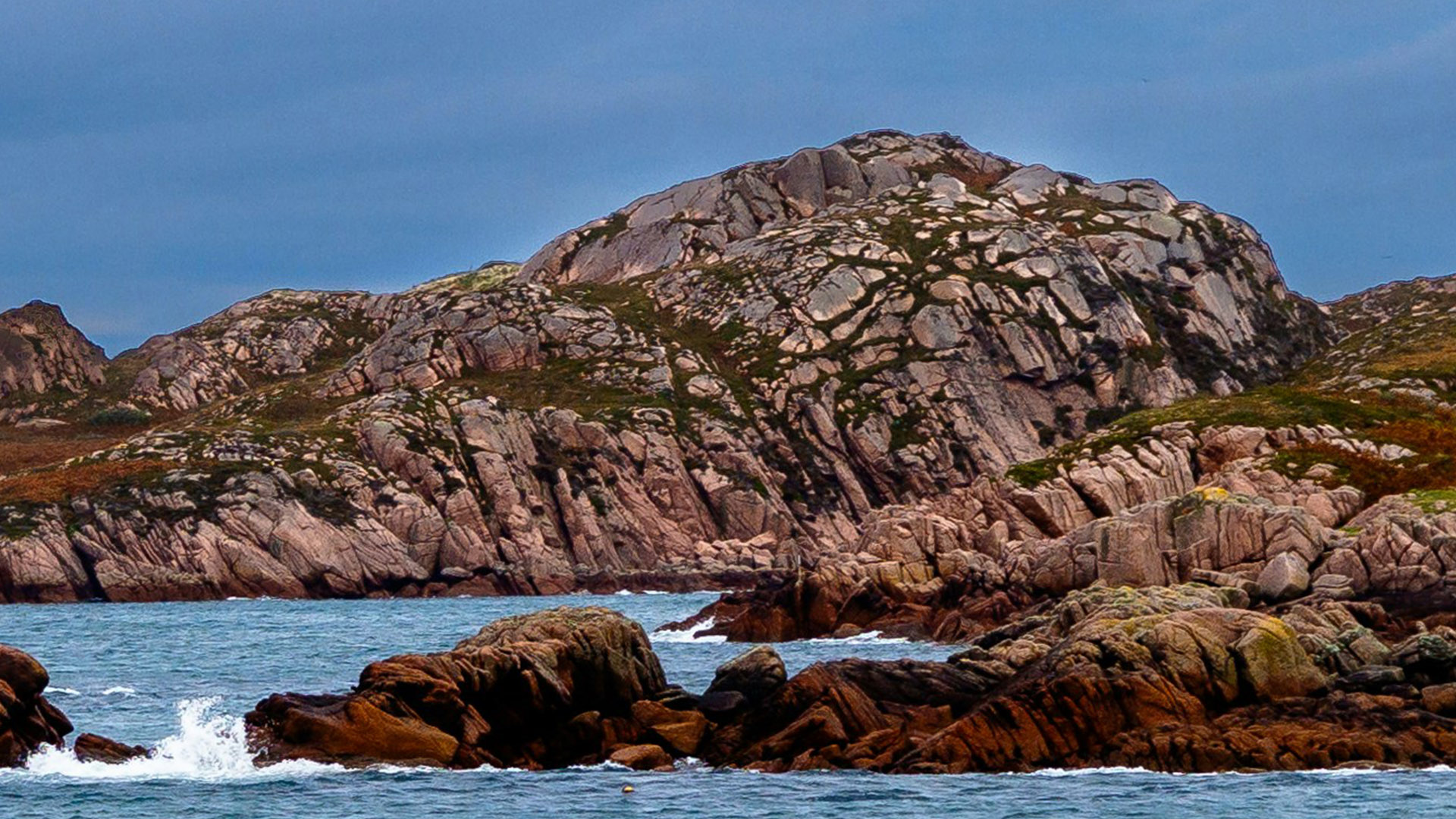
Pink granite forms most of Erraid. Workers quarried it extensively in the 19th century for lighthouse construction. The granite gives the island its rugged coastline, rocky outcrops, and secluded coves.
Visiting Erraid: A Unique Island Experience
Erraid is a tidal island. Visitors reach it on foot from Fionnphort on Mull at low tide. Always check tide times and allow enough time for crossing. The causeway is clearly marked.
The Erraid community welcomes guests who want to join island life. Cottages provide simple, comfortable accommodation. Visitors can help with gardening, cooking, or maintenance. Workshops and retreats offer experiences in spiritual growth, sustainable living, and holistic practices.
Trails lead to viewpoints, hidden beaches, and historical sites. Birdwatching, seal spotting, or simply enjoying the peaceful environment are popular activities. The island’s quiet makes it ideal for meditation, reading, or unwinding.
Erraid is more than a destination. It lets you step back in time, connect with nature, and experience community living in a unique setting.
