



The white-tailed eagle, or sea eagle, is one of the Isle of Mull’s most spectacular wildlife residents. With a wingspan exceeding two metres, it is the UK’s largest bird of prey, and seeing one soar across Mull’s skies is an unforgettable experience.
These majestic birds were once extinct in Britain, driven away by human persecution. Conservationists reintroduced them to western Scotland in the late 20th century, with the first successful breeding on Mull occurring in 1985. The island quickly became a stronghold, earning the nickname “Eagle Island.” Today, Mull offers some of the best opportunities in Europe to see white-tailed eagles in the wild, and ongoing conservation projects continue to protect these birds and their habitats.
Where They Live on Mull
White-tailed eagles favour areas with abundant water. On Mull, they are often found around sea lochs, sheltered sounds, offshore islands, and larger freshwater lochs. These areas provide both food and safe nesting spots.
Most eagles nest in tall trees near water, along loch shores or on small wooded islands, though some pairs use cliffs. The combination of open water, coastline, and moorland creates perfect hunting grounds. Notable eagle hotspots include Loch na Keal, the Sound of Mull, Loch Tuath, and Loch Frisa, though eagles can appear almost anywhere along the coast.
What They Eat
White-tailed eagles have a varied diet. Fish make up a large part of their meals, especially along the coast. They also hunt waterfowl, seabirds, and occasionally feed on carrion.
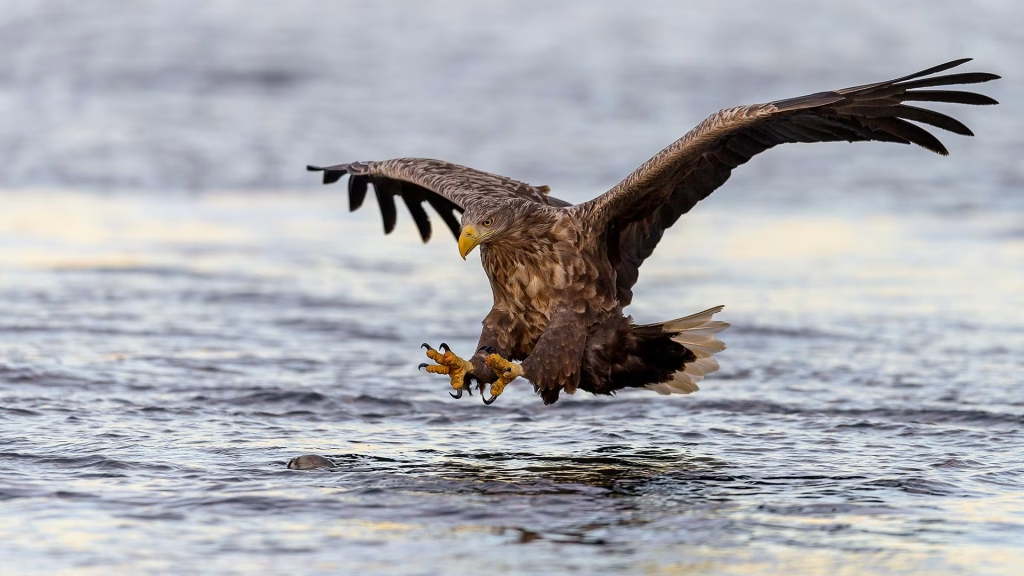
These birds are skilled hunters. They can swoop low over the water and snatch fish with their powerful talons. Visitors often witness this dramatic hunting behaviour from wildlife boat trips, creating one of Mull’s most memorable wildlife experiences.
Best Places to See Them
Mull has several reliable spots for eagle watching. The west coast, particularly around Loch na Keal, offers open views and frequent sightings. The Sound of Mull and nearby islands like Ulva are also excellent, especially for boat trips. Inland lochs such as Loch Frisa and Loch Tuath provide important territories, where eagles can be seen perched in trees or soaring overhead.

When to Visit
White-tailed eagles are present all year, but different seasons offer unique experiences. In spring and early summer, adults stay near nests while raising chicks. You might see them carrying fish or soaring above their territory.
Late summer and autumn are great for spotting juveniles as they explore beyond the nesting areas. In winter, eagles can be easier to see because they gather around open water, and the bare landscape makes them more visible.
How to Spot Them
Wildlife boat trips and guided eagle walks are the most reliable ways to see eagles. Local guides know the birds’ favourite feeding and resting spots and help minimise disturbance.
If you prefer to watch independently, look for quiet viewpoints near lochs or sheltered coastal waters. Early morning and late afternoon are often the best times. Eagles frequently perch on dead trees, rocky outcrops, or small islands as they scan for food.
In flight, their broad wings and slow, powerful wingbeats make them easy to recognise. Adults have a pale head and white tail, while younger birds are darker until they mature.

Watching Responsibly
Respect is crucial when observing white-tailed eagles. Keep a safe distance from nests, follow signs, and stay on marked paths or private land with permission. Forestry and Land Scotland actively protects nest sites during the breeding season, and ethical tour operators follow strict guidelines to avoid disturbing the birds.
By watching responsibly, visitors help protect Mull’s eagles and support ongoing conservation efforts, ensuring future generations can enjoy these incredible birds.
A Conservation Success Story
The return of the white-tailed eagle is one of Scotland’s most inspiring conservation achievements. From extinction to a thriving population, these birds now define Mull’s natural identity.
Watching a white-tailed eagle glide above a sea loch, perch on a shoreline tree, or skim the water for fish is a truly unforgettable experience. For many visitors, it becomes the highlight of their time on the island.
