



Along the jagged coastline of the Isle of Mull, lighthouses have watched over the sea for nearly two centuries. These towers were never just scenic landmarks. They were built to protect life, guide commerce, and withstand the unforgiving Atlantic. From the elegant geometry of early Fresnel lenses to the quiet peril of mercury exposure, Mull’s lighthouse legacy is a blend of technical mastery and human tenacity.
The Sound of Mull: Why This Coast Needed Light
The Sound of Mull is one of Scotland’s most vital sea routes. It links the sheltered waters of the Firth of Lorn to the Minch and Hebridean sea lanes. But this beautiful channel is narrow, tidal, and scattered with submerged hazards. Fog, strong currents, and erratic weather made it a perilous crossing. Lighthouses were positioned with strategy and foresight to reduce wrecks and guide mariners through safe waters.
The Lighthouse System: Mull and Its Maritime Web
- Rubha nan Gall
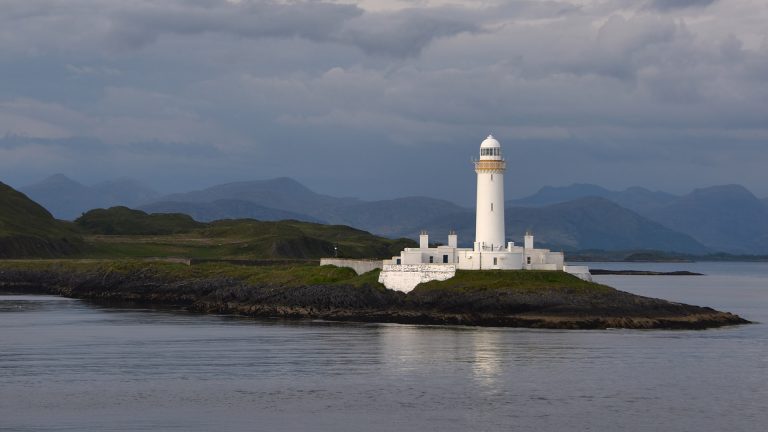
Built in 1857 near Tobermory by David and Thomas Stevenson. The white masonry tower marks the entrance to Tobermory Bay. Still active and accessible by footpath. - Lismore Lighthouse
Located on Eilean Musdile and operational since 1833. It marks the Sound’s southern entrance and is visible from Mull’s ferry routes. - Lady Rock Light
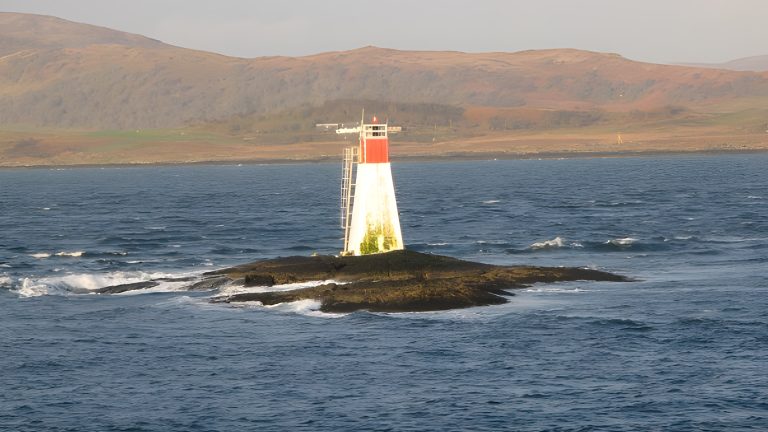
Mounted on a tidal reef off Duart Point. Warns of a reef invisible at high tide. Best viewed from coastal lookouts or passing vessels. - Duart Point Light
Works in tandem with Lady Rock to secure the southeastern channel. A key visual marker at the approach to Duart Castle.

Offshore Icons and Their Mull Connection
Though offshore, Dubh Artach and Skerryvore were historically staffed via Erraid, a tidal island off Mull. Keepers lived on Erraid between rotations. The infrastructure there remains as a legacy of the intense logistical efforts it took to support Scotland’s remotest lights.
Life as a Lighthouse Keeper
Before automation, lightkeepers maintained the lantern flame, wound mechanical systems, documented weather, and kept the optics pristine. Conditions could be harsh. Storms isolated stations. Illnesses or breakdowns had to be handled alone. Some lights required weeks-long postings in exposed locations, both at sea and ashore.

The Mercury Hazard
To rotate heavy Fresnel lenses smoothly, many lighthouses used trays of liquid mercury as a bearing. It was highly effective, but mercury is extremely toxic. Prolonged exposure can cause tremors, confusion, mood changes, and neurological damage. Lighthouse keepers were sometimes required to handle the mercury directly during maintenance, filtering or replenishing it by hand, often without protective equipment. With little understanding of its dangers, they worked in confined lantern rooms where mercury vapour could accumulate.
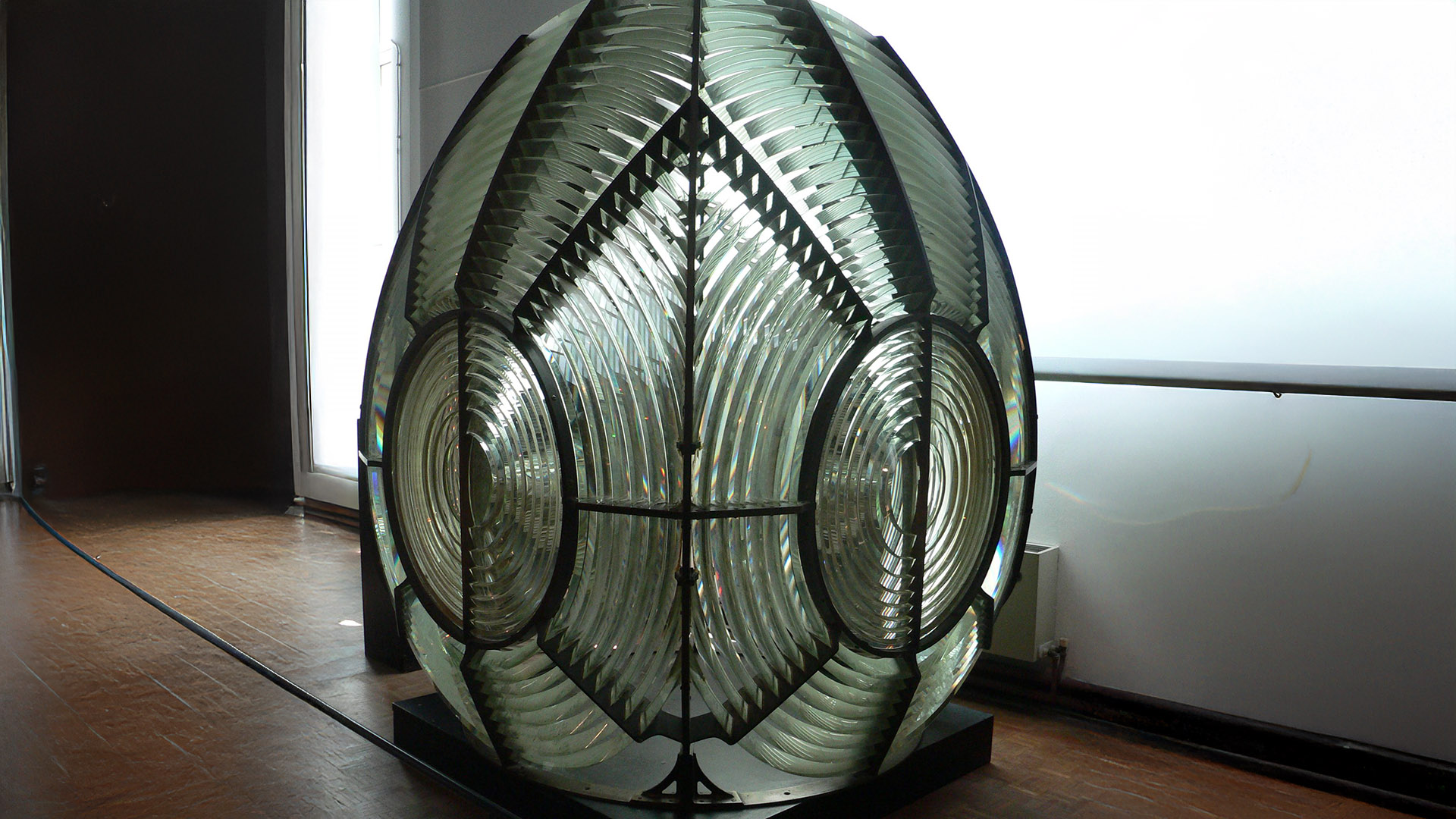

Over time, stories emerged of lighthouse keepers becoming increasingly erratic or “going mad.” While popular folklore often links this behaviour directly to mercury poisoning, firm medical documentation is rare. Historians generally agree that chronic mercury exposure may have contributed to neurological and psychological symptoms in some keepers, but isolation, long working hours, alcohol use, and extreme living conditions were also significant factors. The danger of mercury exposure, largely invisible and poorly understood at the time, lingered in near silence year after year.
The pressures of lighthouse life have inspired stories and films. The 2018 movie The Vanishing is based on the true story of three keepers on the remote Flannan Isles who disappeared without a trace. It shows the isolation, monotony, and psychological strain of the job, capturing how extreme conditions could affect judgement, fuel paranoia, and lead to erratic behaviour.
A gripping thriller based on the true story of three lighthouse keepers who mysteriously disappeared on the remote Flannan Isles. Experience the isolation, tension, and eerie beauty of life on a solitary station.


Automation and Changing Times
From the 1960s onward, most lights around Mull were gradually automated. As technology advanced, clockwork mechanisms gave way to electric motors. At the same time, oil lamps were replaced by more efficient optics and, eventually, solar panels. With these changes, the need for resident keepers diminished, and one by one, they left. As a result, the stations fell silent.
In the years that followed, some keepers’ cottages were converted into holiday rentals, while others were simply abandoned, left to weather slowly back into the coastline. Even so, the vigilance of the light itself remained. Yet, the hands that once wound, cleaned, and tended it were no longer needed.
Visiting Mull’s Lighthouses
- Rubha nan Gall – Accessible by foot from Tobermory.
- Lismore Lighthouse – View from ferries crossing to Craignure.
- Lady Rock – Best seen from Duart Castle area or ferry routes.
- Erraid – Reachable on foot at low tide from the Ross of Mull.
- Duart Point Light – Accessible via a short walk from Duart Castle.
Preserving the Legacy
The Northern Lighthouse Board continues to maintain the operational structures. Community groups and historians are archiving stories, documenting ruins, and restoring what they can. These towers are part of the island’s identity. Their heritage reaches beyond steel and stone. They mark the rhythm of vigilance that once defined Mull’s edge of the world.
The Light Remains
Mull’s lighthouses remain steadfast. They still flash through storm and dusk, their beams reaching across the Sound as they always have. What has changed is not the light itself, but the absence of those who once tended it, the keepers who polished the glass, wound the gears, and kept vigil through the darkest nights. Now, the story rests with the land and the sea, and with the quiet memory of those who stood watch when the margins between safety and danger were razor thin.
For more tales of Mull’s maritime past, including Spanish galleons and wartime shipwrecks, see Historic Shipwrecks Around the Isle of Mull.
