



The Isle of Mull has long been shaped by Atlantic weather systems rolling in from the west, and rain forms an integral part of its character rather than a limitation. When cloud and mist settle over the hills and sea lochs, the island reveals a quieter, more intimate side rooted in craft, history, and community life. A wet day here does not diminish the experience; it simply redirects it indoors, where Mull’s cultural depth becomes more apparent.

Discover Island Heritage and Local History
A visit to Mull Museum offers one of the most rewarding ways to spend a rainy morning. Located in the island’s colourful capital, this small but carefully curated museum preserves stories of crofting life, maritime trade, and the clan system that shaped Mull for centuries. Volunteer-led and deeply rooted in the local community, it provides an authentic perspective on island life that larger institutions often miss. Travellers consistently highlight its depth and charm despite its modest size.
Further south, the Ross of Mull Historical Centre expands on this narrative with genealogical records, photographs, and archival material that connect visitors to the island’s families and traditions. These heritage spaces reflect Mull’s long continuity of settlement and the enduring importance of oral and recorded history.
Step Inside a Hebridean Castle
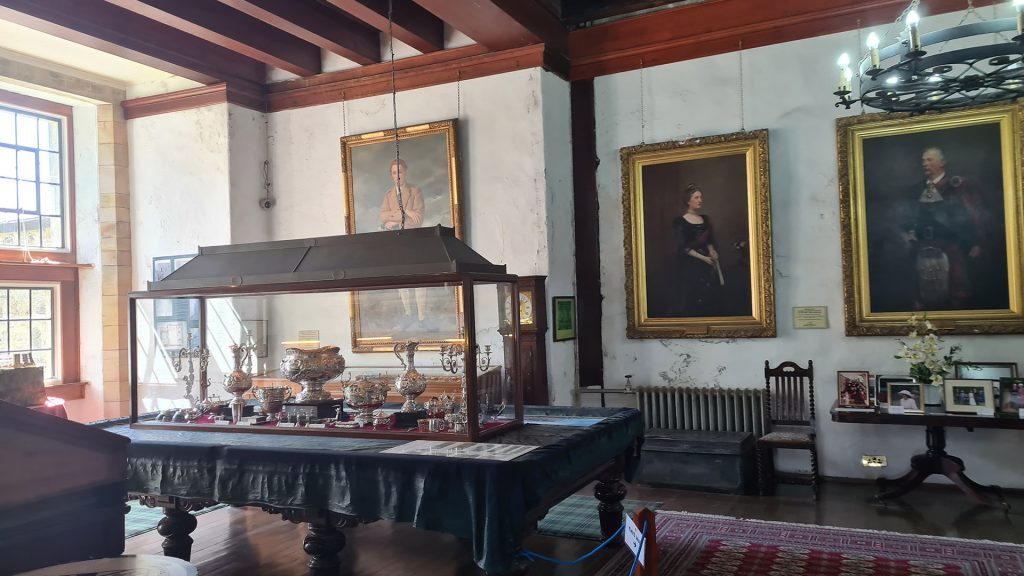
Even in poor weather, Duart Castle remains one of the island’s most atmospheric experiences. Standing for over 700 years as the seat of Clan Maclean, it overlooks the Sound of Mull and anchors the island’s medieval past. When rain sweeps across the surrounding waters, the castle’s stone walls and interiors feel particularly evocative, reinforcing its defensive origins and strategic importance.
Inside, visitors can explore clan artefacts, period rooms, and exhibitions that trace the shifting fortunes of Highland families. Even when access to all areas is limited in winter, the tearoom and setting alone make it a worthwhile stop, particularly when visibility outside is reduced and the landscape takes on a dramatic tone.
Experience Mull’s Whisky Heritage
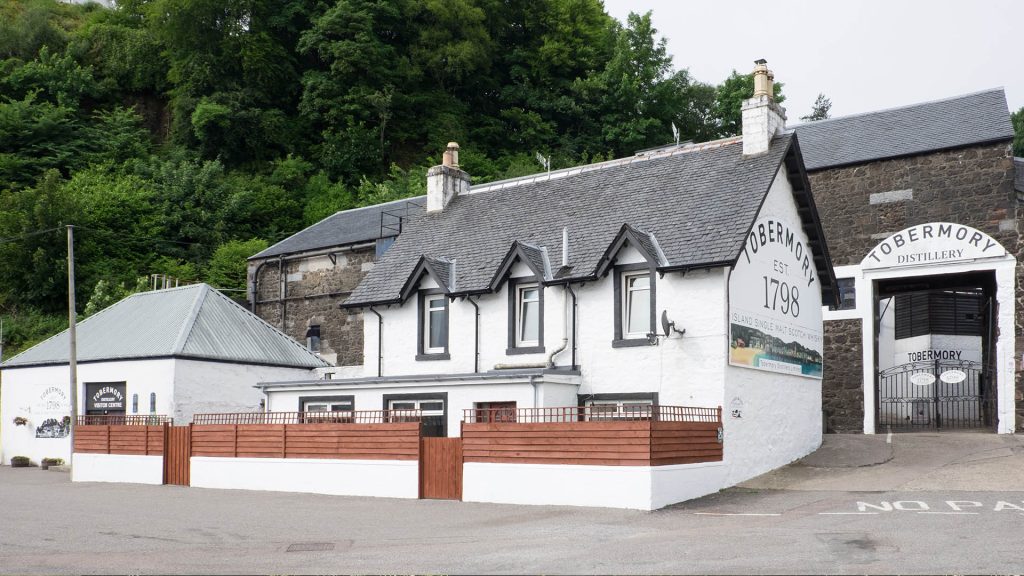
Few indoor experiences capture the spirit of Mull better than the Tobermory Distillery & Visitor Centre. Established in 1798, it ranks among Scotland’s oldest working distilleries and remains central to the island’s identity.
A guided tour reveals the full process of whisky production, from malting and fermentation to distillation and maturation. The contrast between the stormy weather outside and the warmth of the still room creates a particularly memorable atmosphere. Tastings introduce both the classic Tobermory expression and the peated Ledaig, offering insight into how geography and climate influence flavour.
Explore Local Craft and Weaving Traditions
Rainy days provide the perfect opportunity to engage with Mull’s craft heritage, and Ardalanish Isle of Mull Weavers stands out as a working example of traditional textile production. Visitors can observe weaving in progress, learn about wool sourcing, and see how patterns reflect the colours of the surrounding landscape.
This connection between land and craft runs deep in Hebridean culture. The textures and tones of the finished fabrics echo the moorland, sea, and sky, making each piece a tangible reflection of place. The setting itself, often accompanied by dramatic coastal views, reinforces the sense of continuity between environment and craftsmanship.

Browse Art Galleries and Creative Spaces
In Tobermory, the harbourfront provides shelter from the elements while still offering plenty to explore. Island Blue Gallery showcases a range of contemporary Scottish art, jewellery, and design pieces.
Galleries like this highlight the island’s thriving creative community, where artists draw inspiration from Mull’s shifting light and rugged scenery. A rainy afternoon spent moving between studios and small shops allows visitors to experience this artistic response to the landscape, often accompanied by informal conversations with makers themselves.
Taste the Island’s Produce
Food plays a central role in Mull’s identity, and the Isle of Mull Cheese Farm offers a distinctive indoor experience rooted in agriculture. Here, visitors can learn about the production of the island’s renowned cheddar, made using traditional methods and local milk.
Sampling cheese in the farm shop or café provides a direct connection to Mull’s crofting heritage, where small-scale farming has shaped both the landscape and the local economy for generations. On a wet day, the warmth of the café and the richness of the produce create a particularly comforting contrast to the weather outside.
Enjoy Theatre and Live Performance
For those seeking an evening activity, Mull Theatre offers a cultural highlight. Hosting performances that range from drama and music to comedy and community events, it reflects the island’s strong artistic tradition.
Theatre on Mull has long played a role in bringing people together across scattered communities. Attending a performance not only provides entertainment but also insight into the island’s contemporary cultural life, which remains vibrant despite its remote setting.

Take Shelter in Tobermory’s Cafés and Shops
Sometimes the simplest approach proves the most enjoyable. Tobermory’s brightly painted waterfront remains lively even in wet weather, with cafés, bookshops, and independent stores providing shelter and atmosphere. The rhythm of rain against harbour windows, combined with views of boats moving through mist, creates a distinctly Hebridean experience that feels both calm and immersive.
Indoor Swimming at Craignure
Rainy weather on Mull often draws visitors to Craignure, where the island’s only swimming pool offers a sheltered indoor option with views across the bay. The building sits near the coast and uses large windows to bring in natural light, thereby creating a setting that still reflects the island’s maritime landscape even when the weather turns wet.
In addition, the pool operates through a partnership model between the local community and the neighbouring hotel, which helps sustain its opening hours and maintenance. As a result, that structure reflects a wider pattern on Mull, where essential facilities often depend on collaboration between residents, charities, and private partners rather than large municipal systems.
Embracing Mull in the Rain
Rain on Mull does not close the island down; instead, it shifts attention inward, revealing the layers of history, craft, and culture that define it. For example, from centuries-old castles and distilleries to working weavers and community museums, the island offers a rich selection of indoor experiences that reflect its heritage. Consequently, these activities demonstrate that Mull’s appeal extends far beyond its landscapes, allowing visitors to connect with its people and traditions even when the weather turns.
