



Why Mull’s Skies Stand Out
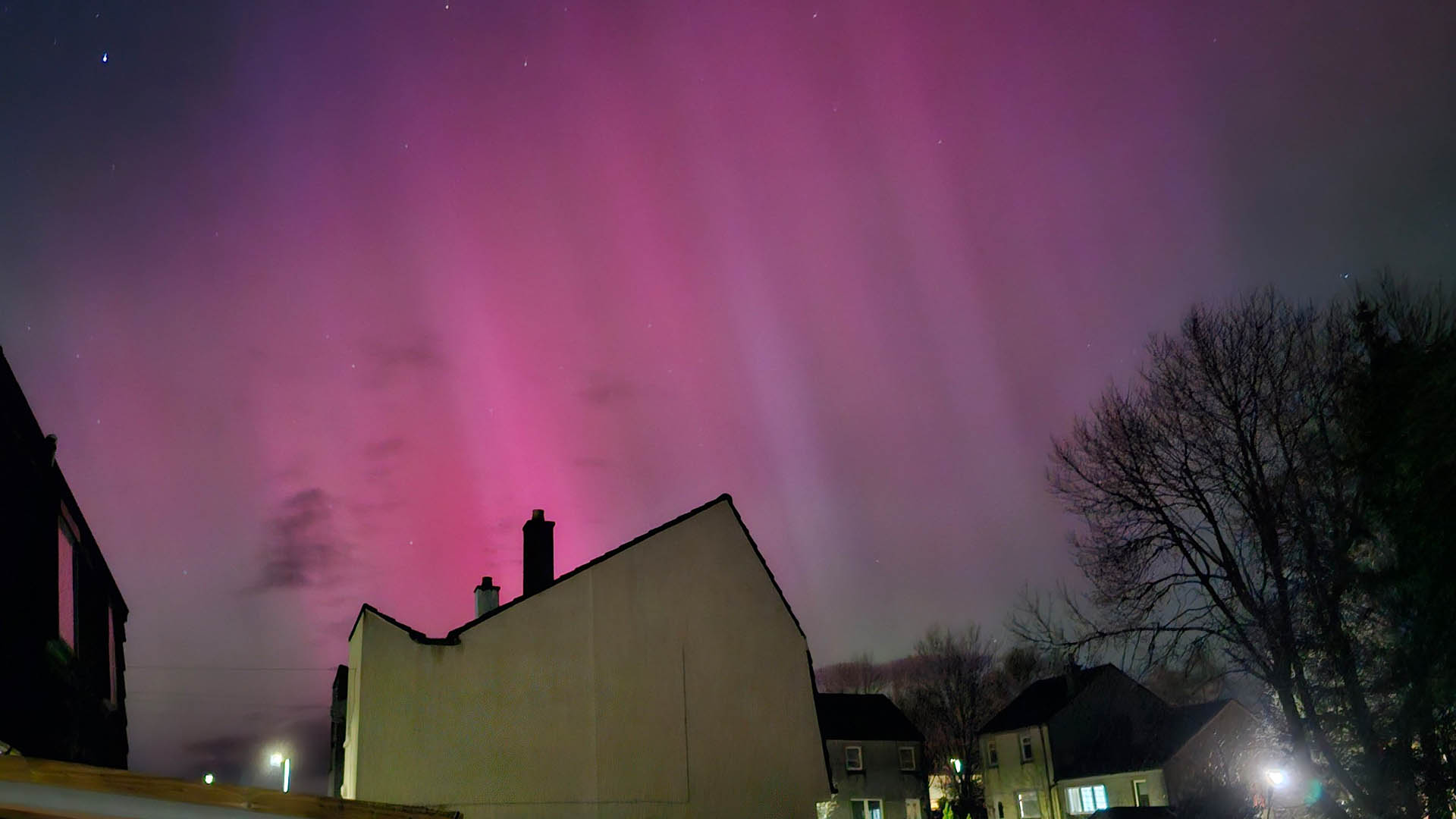
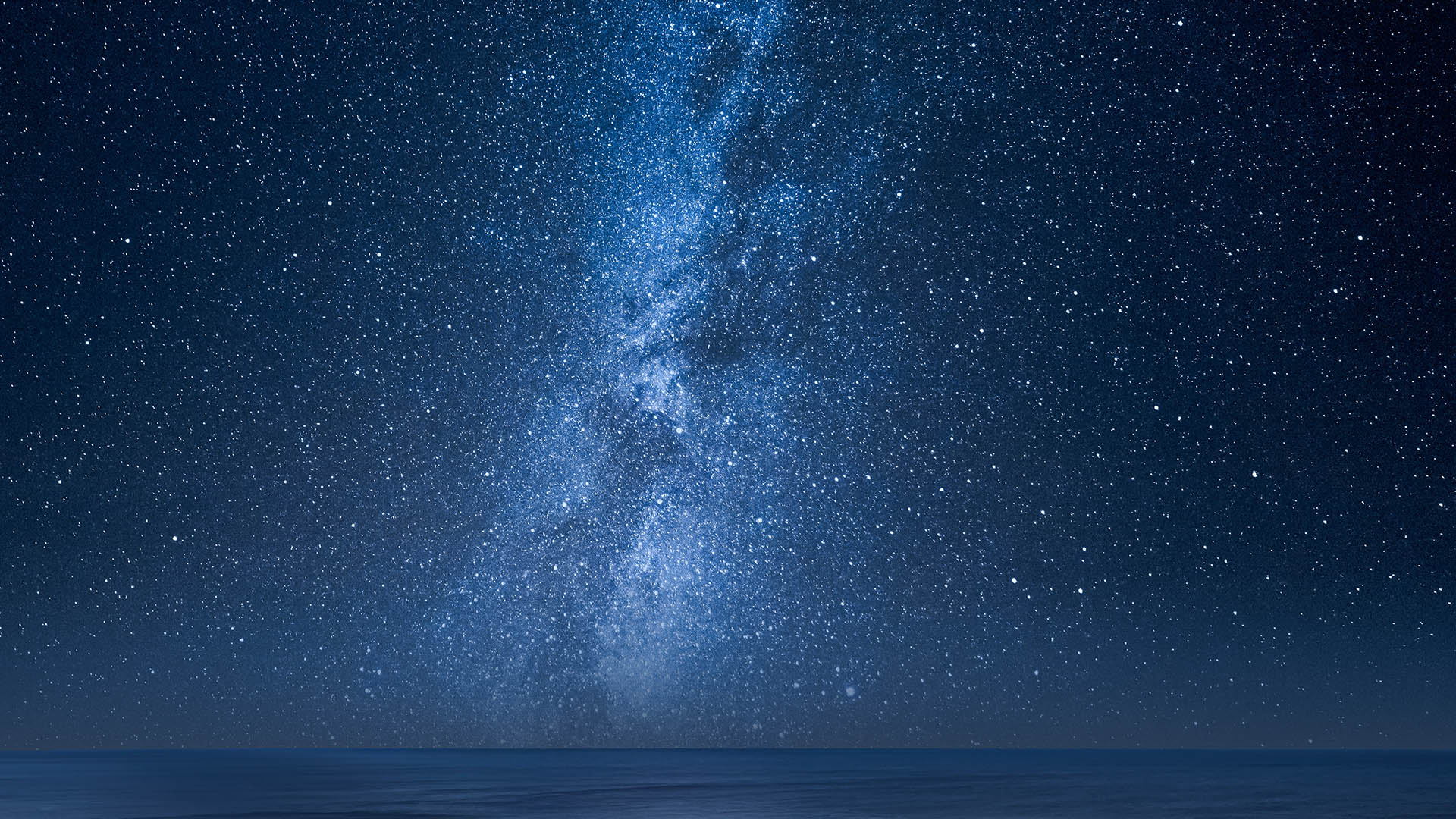
Mull’s isolation means minimal light pollution. Once you leave the main villages, stars appear brighter and more numerous. On clear summer nights the Milky Way stretches overhead; in winter, with solar activity high, you might catch green and pink auroral curtains flickering above the Sound of Mull.
Best Times & Viewing Conditions
- Milky Way Season: Late April through August, when the galactic core rises high in the sky after astronomical twilight.
- Aurora Season: October through March, especially during KP index peaks. Monitor real-time alerts with apps like My Aurora Forecast. For travel tips and weather prep, see our winter guide.
- General Stargazing: Any clear night will do. Aim for a new-moon phase to maximise star contrast.
Top Stargazing Locations
- Three Lochs Viewpoint (Ishriff): Positioned above Loch an Eilein, Loch an Èiridh, and Loch Àirde Ghlas—ideal for wide-field astrophotography.
- Duart Castle Shore: Duart Castle’s tidal silhouette makes a dramatic foreground. Eastern horizon is superb for constellations and Milky Way arcs.
- Calgary Bay: Broad west-facing beach, great for twilight watching and early evening planet spotting.
- Lochbuie Beach: Northern shore perfect for nebulae and faint galaxies, free from light intrusion.
- Loch Na Guline Dubh Car Park: Excellent northern panorama for aurora sightings and quick Milky Way setups.
Some of the best views come from remote beaches, lochside clearings, or hilltops far from artificial light. If you’re planning to stay out overnight, our wild camping guide covers legal spots, gear, and Leave-No-Trace tips.
Aurora Borealis Viewing Tips
- Check the KP Index: Aim for KP 5+. Use push alerts via AuroraWatch UK.
- Face North Over Water: Pennyghael and Gruline offer open views over Loch Tuath.
- Layer Up: Thermal base, down jacket, insulated boots, hat, gloves, and hot drink.
Essential Stargazing Accessories
- Red-light head torch to preserve night vision
- Binoculars (7×50 or 10×50)
- Star Chart App SkyView (Android)
- Star Chart App SkyView (Apple)
- Sturdy tripod & DSLR/mirrorless camera
- Insect repellent for summer midges
Telescope Recommendations
These models are currently available on Amazon UK and cater to a range of skill levels.
Slokey 40070 Astronomical Telescope – Beginner
A compact refractor with 70 mm aperture and 400 mm focal length. Includes two eyepieces and a 3x Barlow lens for variable magnification. Lightweight and portable with an adjustable tripod and phone adapter.
Amazon:
amzn.to/40ztOJ1
Celestron AstroMaster 130EQ – Intermediate
A Newtonian reflector with 130 mm aperture and 650 mm focal length. Comes with a German equatorial mount for precise tracking and two eyepieces. Suitable for lunar, planetary, and brighter deep-sky objects.
Amazon:
amzn.to/3TVrOXQ
Celestron NexStar 6SE – Advanced
A computerized Schmidt-Cassegrain telescope with 150 mm aperture and 1500 mm focal length. Features GoTo mount with a database of 40,000 celestial objects. Ideal for high-magnification planetary viewing and deep-sky imaging.
Amazon:
amzn.to/4liioB3
Astrophotography Basics
- Wide-angle lens (14–24 mm) mounted on a sturdy tripod
- ISO: 1600–3200, aperture: f/2.8–f/4, exposure: ~20 seconds
- Use remote shutter or 2-second timer
- For panoramas, stitch overlapping frames with Lightroom or Photoshop
Community Stargazing Options
- Nature Scotland Stargazing Experiences
- Mull Dark Skies Community: Follow the Mull Dark Skies Facebook page for pop-up events.
Final Thoughts
Mull’s celestial charm shines brightest under clear skies. Whether you’re chasing auroras or photographing the Milky Way, the island offers breathtaking views with rich storytelling potential. Pack layers, check forecasts, and prepare to be awed. Our packing list covers everything you’ll need for cold nights and remote viewing.
Clear skies ahead…
