

The Isle of Mull is a living history book carved into rugged hills, coastal cliffs, and wild glens. From prehistoric stone circles to medieval castles and Iron Age brochs, Mull offers an extraordinary variety of sites that span thousands of years of human occupation. The following are some of the most significant and accessible historical and archaeological places worth visiting in 2026.
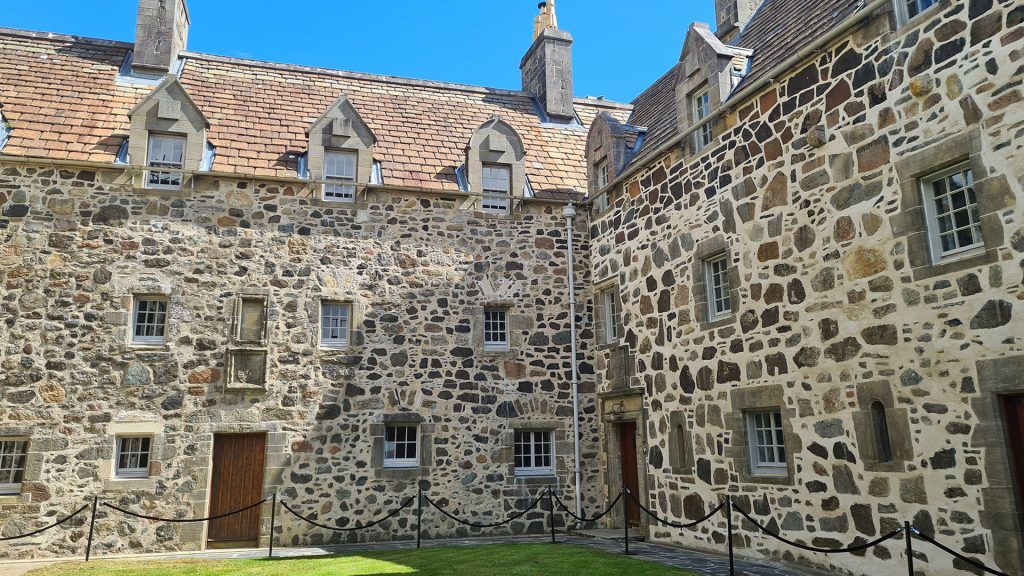
1. Duart Castle
Perched on a rocky promontory above the Sound of Mull, Duart Castle is one of Scotland’s most dramatic and historically resonant fortresses.
Historic Significance
The castle’s origins go back to the 13th century, first held by the MacDougall clan before passing to the chiefs of Clan Maclean in the 14th century. It fell into decay after the 17th century but was restored in 1911. The restored castle preserves a medieval keep, curtain walls, and later-added ranges which visitors can explore.
Visitor Experience
Walk through the Great Hall, view clan artefacts and uniforms, explore the dungeons, and climb the keep’s battlements for sweeping views over the Sound. The site blends medieval architecture, clan history, and dramatic landscape in a way few places do.
- Status: Typically open April–October. Check Duart Castle website for exact times and ticket information.
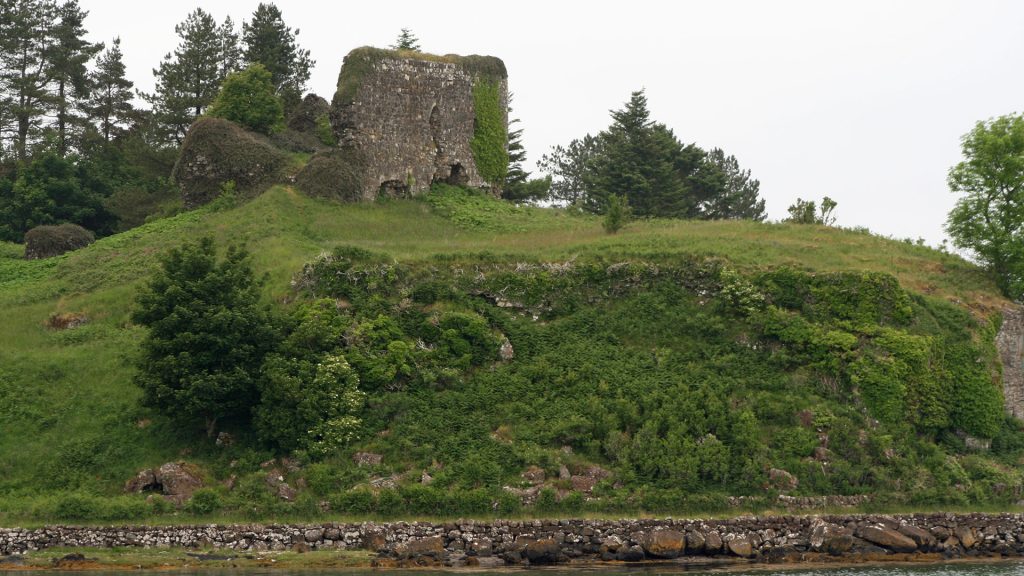
2. Aros Castle (ruins)
Near Salen, the ruins of Aros Castle offer a powerful glimpse of medieval power struggles on the island.
Historical Background
Built in the 13th century by a MacDougall lord, Aros Castle later came under the control of the Lords of the Isles and then the MacLeans. By the 17th century it was largely ruinous, with only a roofless hall-house and fragmentary walls remaining.
Exploring the Ruins
The castle’s location overlooking the Sound of Mull shows its original strategic value. Visitors can explore the ruins, imagine medieval life, and see the stark isolation of such a defensive site.
- Status: Open access on foot. Caution advised; no facilities.
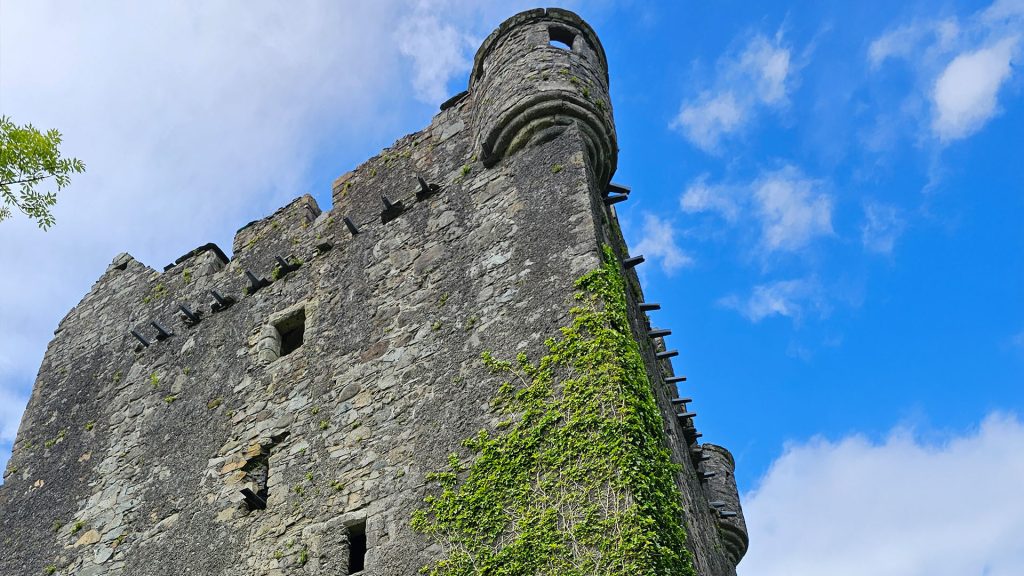
3. Lochbuie Stone Circle and Moy Castle
Prehistoric Monument: Lochbuie Stone Circle
This late Neolithic or early Bronze Age circle is the only complete stone circle on Mull. Several upright granite stones remain, the tallest reaching around two metres. The circle sits beneath the hills near the coast, creating a dramatic and contemplative setting.
- Status: Open access on the Lochbuie Estate; free to visit.
Medieval Residence: Moy Castle
A 15th century tower house built by the MacLaines of Lochbuie. Moy Castle was occupied until the mid-18th century. While interior access is restricted due to conservation, the exterior remains impressive and commanding above the surrounding landscape.
- Status: Exterior viewing only due to structural conservation.
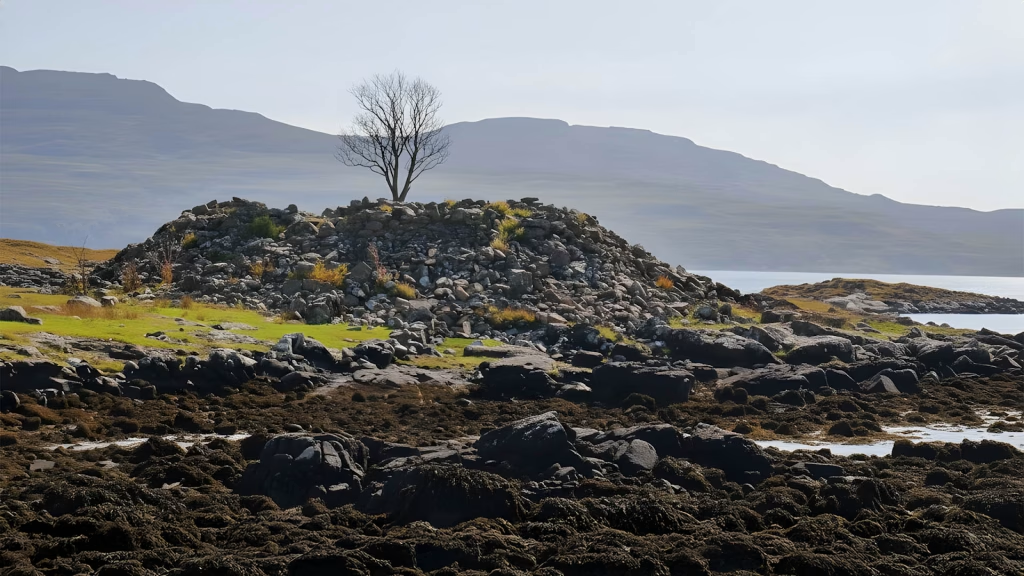
4. Dun nan Gall Broch
An Iron Age broch with thick drystone walls enclosing a central court. Though the upper structure of Dun nan Gall has collapsed, the entrance passage and internal layout are still visible.
Architectural Importance
Visitors can see how early inhabitants lived and defended themselves over two thousand years ago. The site offers a direct connection to Mull’s prehistoric communities.
- Status: Open access via a short walk from the road near Ballygown.

5. Dùn Ara
Located on a rocky outcrop on the northern coast, Dùn Ara is the site of an ancient fort and later castle, demonstrating the strategic use of coastal promontories for defense over centuries.
Strategic Heritage
Although only ruins remain, the site’s position shows the strategic thinking of its occupants. Visitors gain insight into Norse-era and medieval fortifications on the island.
- Status: Open access; limited facilities.
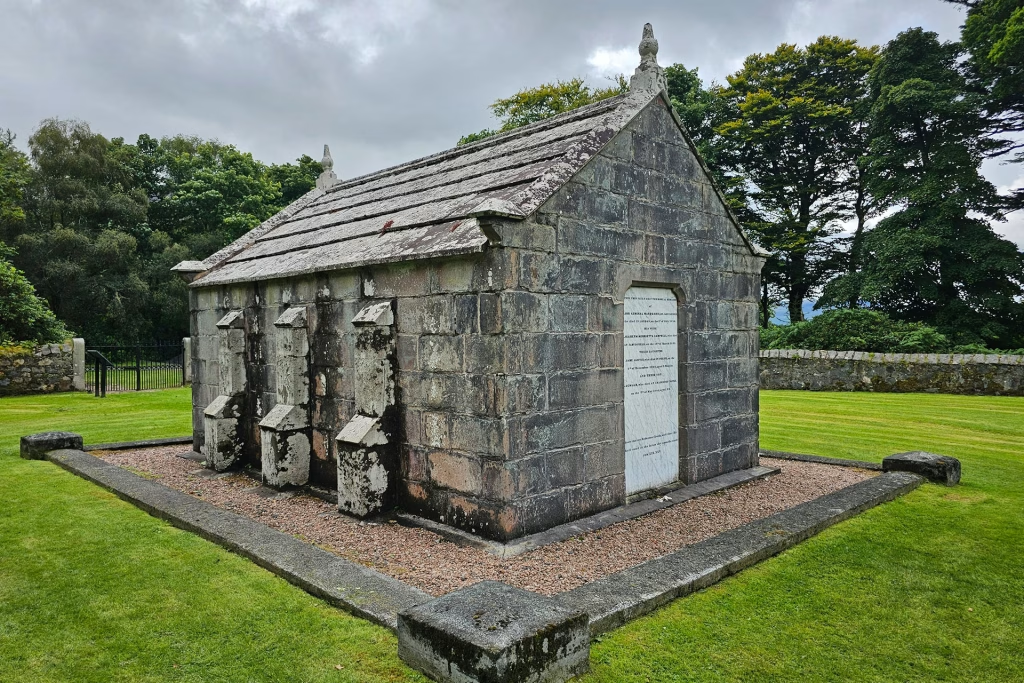
6. Macquarie Mausoleum
At Gruline, the mausoleum commemorates Lachlan Macquarie, born on nearby Ulva, who became Governor of New South Wales. The monument stands in a rural landscape and reflects Mull’s historical connections to the wider world.
Global Historical Link
Visitors can reflect on the worldwide movement of people from Mull and the influence its natives had around the world. The mausoleum is intact and well maintained.
- Status: Open access year round; maintained by the National Trust for Scotland.
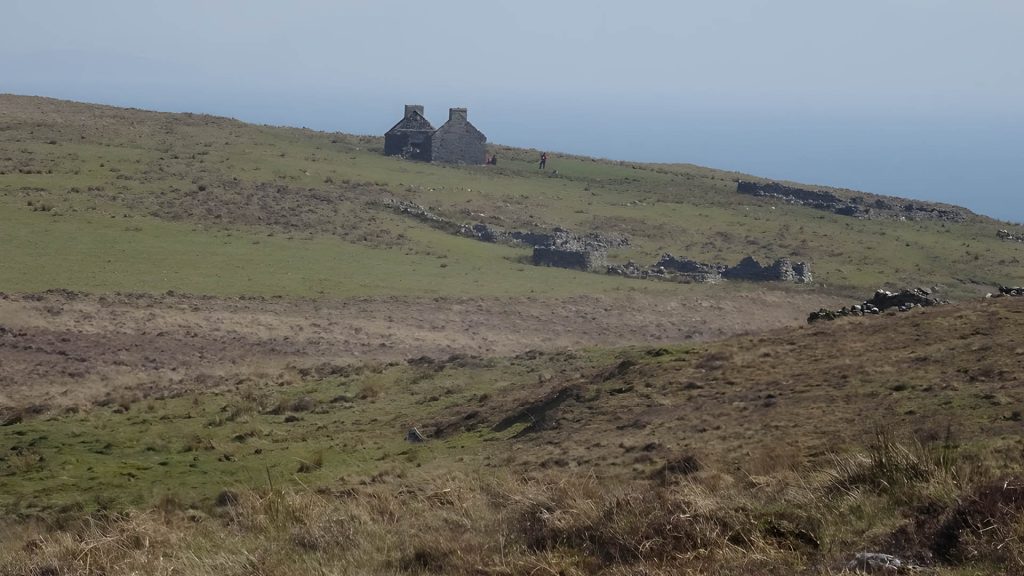
7. Shiaba Clearance Village
On the Ross of Mull, the ruins of Shiaba provide a clear example of the Highland Clearances. Once a thriving agricultural community, it was abandoned in the mid-19th century to make way for sheep farming.
Social History
Walking among the remains of homes, farm buildings, and a schoolhouse, visitors gain a sense of the hardships faced during the Clearances and the social upheaval in 19th century Scotland.
- Status: Open access via walking paths. Observe the Scottish Outdoor Access Code.
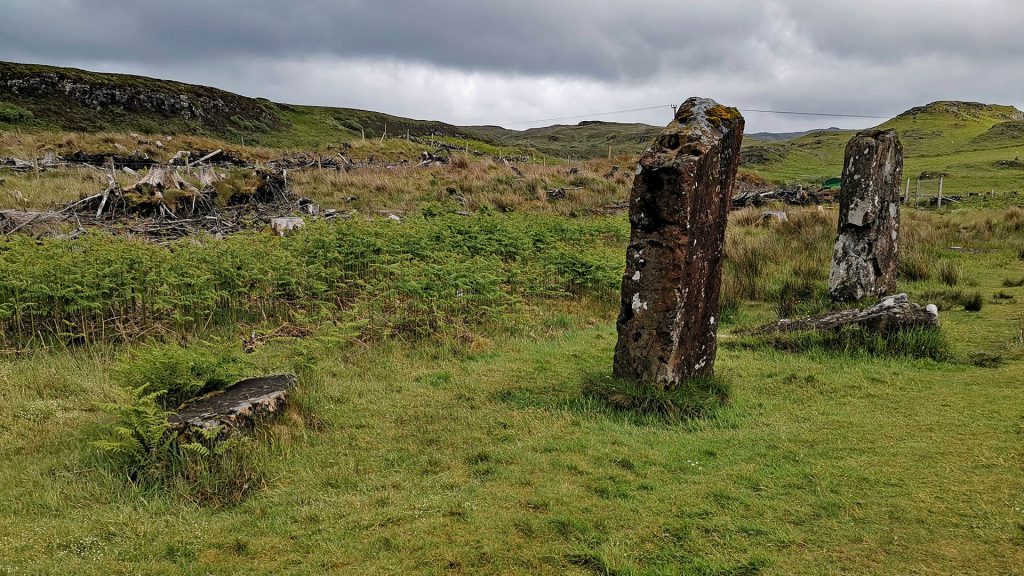
8. Kilmore Standing Stones
Near Dervaig, the Kilmore stones are remnants of a Bronze Age megalithic alignment. Two upright stones remain, standing approximately 2.5 metres high in a woodland setting.
Prehistoric Significance
The site provides insight into prehistoric ritual and ceremonial practices on Mull and is easily accessible via a marked path.
- Status: Open access from nearby signed path.
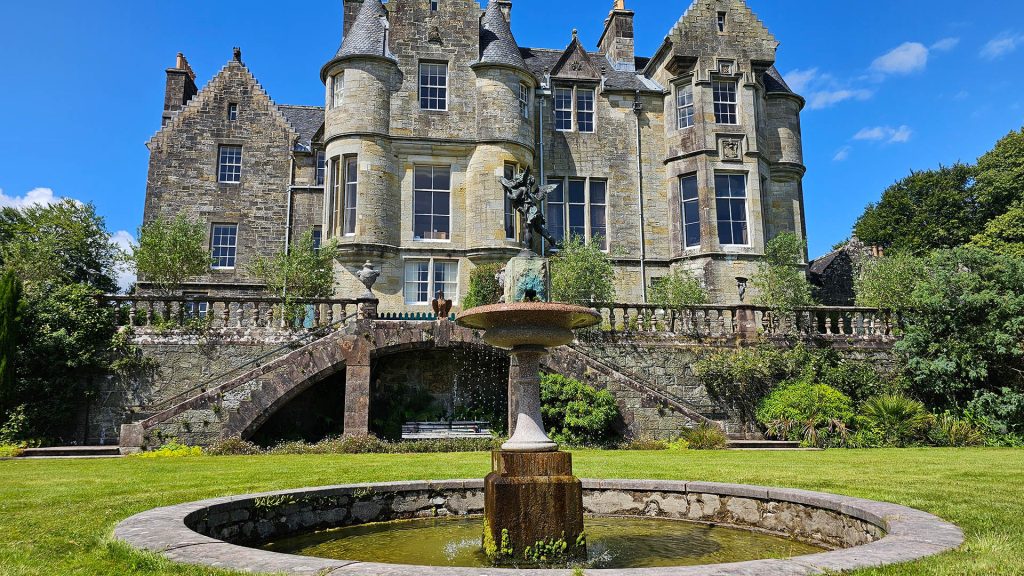
9. Torosay Estate Gardens
While the Victorian Torosay Castle remains closed, the surrounding 12-acre gardens are a historically important feature. The estate includes a Japanese garden, a “Statue Walk” of imported 19th century Italian sculptures, formal terraces, rock gardens, and plantings from around the world including rhododendrons and exotic trees. The gardens show 19th century landscape design and botanical collecting practices of the time.
Victorian Heritage and Gardens
Visitors can enjoy the exotic plantings, statuary, and formal design, which contrast with the surrounding wild Mull landscape, giving insight into Victorian taste and global connections of Scottish estate owners.
- Status: Gardens open on the first Sunday of every month May to September; castle remains closed.
10. An Sean Chaisteal
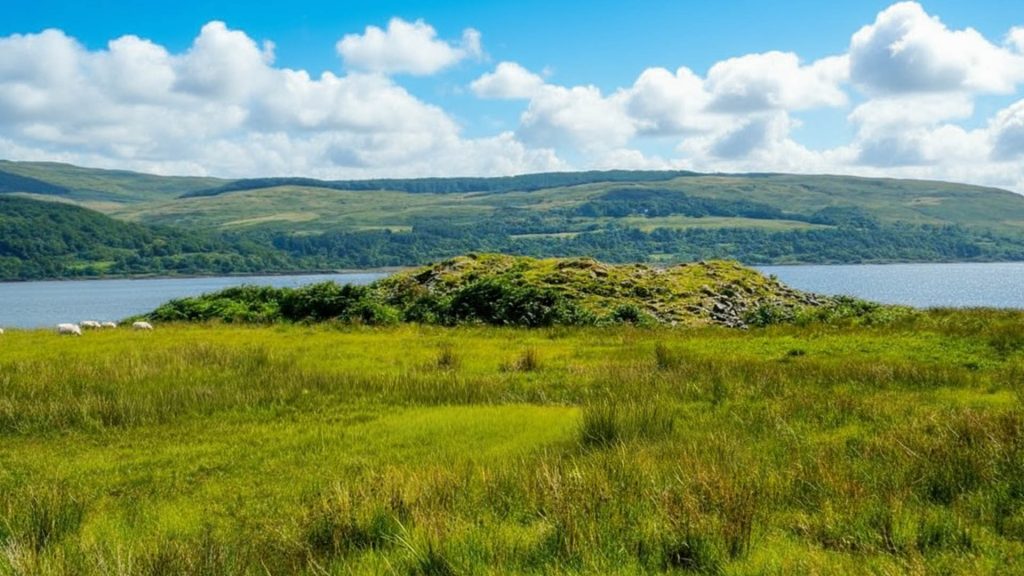
On the western coast, An Sean Chaisteal is now little more than a grassy mound marking the site of a former fortified structure. Its exact layout is no longer visible, but it would have served as a small defensive outpost during the late medieval period.
Archaeological Remains
Visitors can see the mound and imagine the strategic location overlooking the surrounding coastline. While there are no standing walls, the site provides a tangible connection to Mull’s medieval past and its network of minor defensive sites.
- Status: Open access; caution advised, no facilities.

11. Iona Abbey
Iona Abbey is one of the most important religious sites in Western Europe, founded by St Columba in 563 AD. The present structure dates mainly from the 12th century, rebuilt by the descendants of Somerled. The abbey complex includes cloisters, chapels, carved stones, medieval crosses, and centuries of Christian heritage.
Early Christian Heart of Scotland
The abbey marks the birthplace of Scottish Christianity and served as a centre of learning, manuscript production, and missionary work. Visitors can explore the restored buildings, peaceful cloisters, high crosses such as St Martin’s, and the atmospheric surroundings that have drawn pilgrims for centuries.
- Status: Open year round with reduced winter hours, managed by Historic Environment Scotland.
12. St Oran’s Chapel and Reilig Odhráin
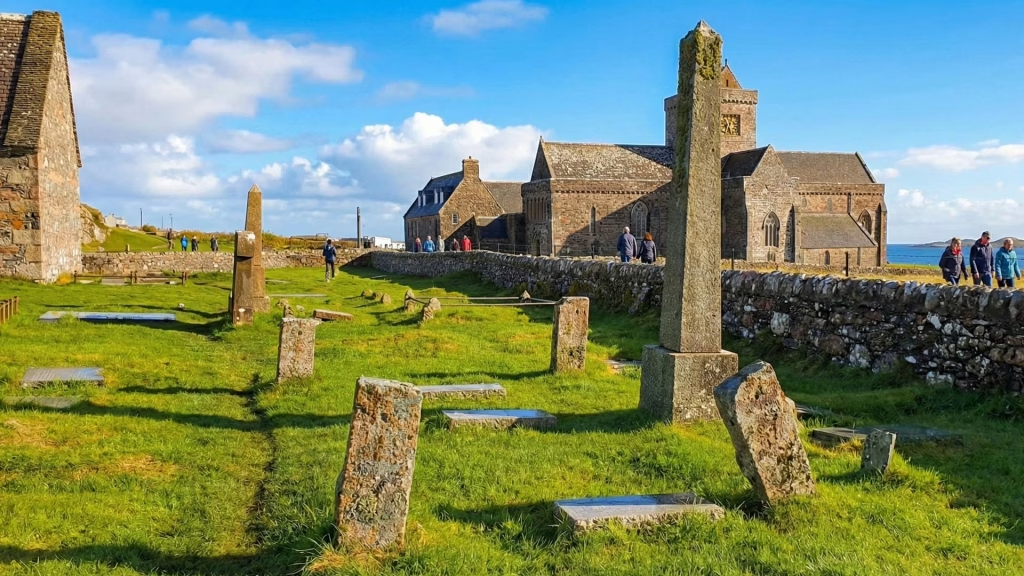
Beside the abbey stands St Oran’s Chapel, the oldest surviving ecclesiastical building on the island, dating from the 12th century. It sits within Reilig Odhráin, an ancient burial ground associated with Scottish, Irish, and Norse kings, as well as clan chiefs and notable local families.
Island of Kings
The chapel and graveyard offer a deeply atmospheric encounter with early medieval history. Carved grave slabs, ancient crosses, and centuries-old memorials preserve the stories of rulers and religious leaders connected with Iona’s sacred past.
- Status: Open access at all times.
Conclusion
Mull’s history spans from prehistoric times through medieval clan society to global connections in the 19th century. Visitors can explore ancient monuments, castles, brochs, cleared villages, mausoleums, and gardens, experiencing the depth and diversity of human activity on this extraordinary island.