



The Isle of Mull off Scotland’s west coast offers one of the best experiences in the United Kingdom for observing birds of prey. This Mull raptor guide highlights the island’s rugged mountains, open moorlands, sheltered sea lochs, and fertile glens, all of which provide habitats for a remarkable variety of raptors. Visitors can see white-tailed sea eagles gliding over coastal waters, harriers hunting low over wetlands, and golden eagles circling high above the hills. Every visit offers a chance to observe these magnificent predators up close.
Mull impresses not only with the number of raptors but also with their diversity. Large eagles dominate the skies while harriers patrol open moorlands. Buzzards glide over farmland, falcons dart through cliffs, and smaller raptors such as kestrels hover over fields. Every species shows distinct habits and preferred habitats, giving visitors new experiences on each trip to the island.

White-tailed Sea Eagles
The white-tailed sea eagle is one of Mull’s most famous raptors. These birds once disappeared from Britain due to human persecution, but conservationists brought young eagles from Norway to western Scotland, with the first successful breeding on Mull occurring in 1985. The island quickly became a stronghold, earning the nickname “Eagle Island.” Today, visitors can see white-tailed eagles across the island, particularly around sea lochs and coastal inlets.
These eagles are truly impressive. Adults have a wingspan of more than two and a half metres, and their pale heads and striking white tails make them unmistakable. They glide gracefully over water and cliffs and perch on exposed trees or rocky outcrops. Their deep, resonant calls carry across lochs and glens, creating dramatic moments for anyone watching. Lochdon, Loch Frisa, and Loch na Keal remain some of the best places to observe them. In spring and summer, the adults build nests and raise chicks, offering visitors a chance to witness the full cycle of their breeding behaviour. On clear days, the sight of these eagles soaring effortlessly across the landscape provides one of the most memorable wildlife experiences in Europe.

Golden Eagles
Golden eagles patrol Mull’s mountainous interior and command attention with their size and grace. They prefer upland moors and rugged hills where they can scan the ground for rabbits, hares, and occasionally birds.
Adult golden eagles have dark brown bodies and golden feathers on the nape. Observers usually see them alone or in pairs. They fly with wide, controlled wingbeats and circle above hilltops or glide along ridges. The central highlands of Mull offer the best opportunities to spot them. Patience and clear visibility increase the likelihood of seeing these elusive birds.
Buzzards
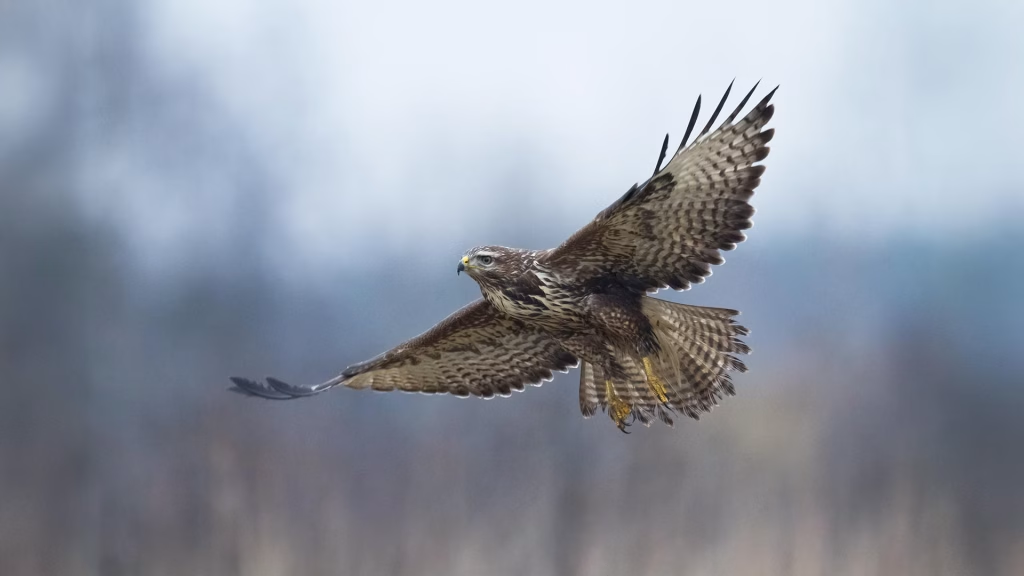
Buzzards appear in almost every habitat on Mull. They hunt across farmland, woodland edges, and open moorland. Visitors often see them perched on fence posts or trees, watching for small mammals.
Buzzards show a wide range of plumage from light brown to dark morphs, but rounded wings and short tails make them easy to recognise. They soar during the day and sometimes gather in loose groups near feeding areas. Their frequent presence provides a great introduction to raptor watching on Mull.

Hen Harriers
Hen harriers glide low over moorland and wetlands while hunting. Their quartering flight and steady motion make them easy to identify. Males have grey plumage, while females and juveniles appear brown with streaks.
Observers usually find hen harriers in remote areas. Spring and early summer are the best seasons to watch them display courtship and nest. Their buoyant flight gives the impression that they float above the landscape. Hen harriers remain rare in most of the UK, making Mull one of the most reliable places to see them.

Peregrine Falcons
Peregrine falcons nest on cliffs and hunt by diving at high speed. They often appear along coastal cliffs and rocky outcrops.
Adults have slate-grey backs, barred underparts, and dark facial masks. Visitors may witness them stoop from great heights to catch birds with precision. Spring brings courtship displays and piercing calls that echo across the hills. Watching peregrines hunt reveals their extraordinary agility and power.

Kestrels and Merlins
Kestrels hover above fields, grassland, and moorland to spot small prey. Their delicate hovering flight demonstrates impressive control. Merlins are smaller, compact falcons that hunt low over open land. They move fast and dart through the landscape with skill. Both species appear across the island and offer excellent opportunities to observe raptors in action.

Sparrowhawks and Occasional Visitors
Sparrowhawks hunt primarily in woodland, chasing small birds through trees and hedgerows. Their sudden bursts of speed make them exciting to watch.
Occasionally, red kites or ospreys pass through Mull during migration. Ospreys hunt fish near lochs and rivers, while red kites soar overhead in spring and autumn. Spotting these birds adds an element of surprise and excitement to a visit.
Goshawks – The Elusive Predator
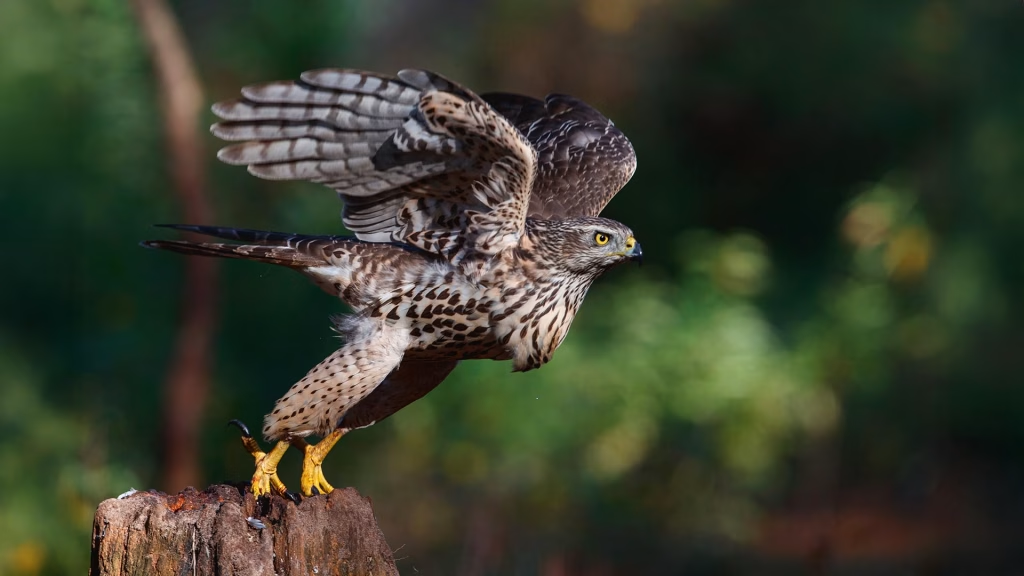
The northern goshawk is a rare and secretive raptor on Mull. These powerful birds favour large, mature woodlands where they can hunt agilely among the trees. Their occurrence on the island is sporadic, and sightings are extremely uncommon, which makes encountering one a special experience for dedicated birdwatchers.
Goshawks have broad, rounded wings and long tails that allow them to manoeuvre skillfully through dense forest. Adults display striking grey plumage with barred underparts and piercing yellow eyes. Observers are more likely to hear the sharp, distinctive calls of a goshawk than to see the bird itself. Because they are so elusive, spotting a goshawk on Mull requires patience, a keen eye, and sometimes a bit of luck.
Best Locations and Seasons
Raptor watching works best when visitors choose the right locations at the right time. Sea lochs and inlets suit sea eagles and ospreys. Hills and ridges favor golden eagles and harriers. Farmed areas and woodland edges provide sightings of buzzards, kestrels, and sparrowhawks. Spring and early summer offer the chance to observe nesting behaviour, courtship, and chick-rearing. Autumn migration brings passing birds that may appear unexpectedly.
Visitors should observe quietly and maintain distance, especially during breeding season. Using binoculars or a spotting scope enhances the experience while protecting the birds. Respecting local guidelines ensures that raptors continue to thrive while visitors enjoy them.
The Magic of Mull’s Raptors
Raptor watching on Mull offers more than the thrill of seeing rare birds. It provides a chance to experience the island’s wild landscapes at their most dramatic. Sea eagles glide over lochs, golden eagles circle above hills, harriers skim moorlands, and peregrines dive along cliffs. Each encounter highlights the power, grace, and adaptability of these predators. For those interested in nocturnal hunters, you can also explore Mull’s owls in our complete guide to owls on the Isle of Mull.
Every trip to Mull brings new discoveries. Even experienced birdwatchers encounter surprises as they explore different parts of the island. From the coastline to the highland interior, the island rewards patience, knowledge, and a keen eye. For anyone passionate about birds of prey, Mull remains an unmatched destination where raptors command the skies and inspire awe.
